100DUCKS ceramics, polycarbonate
The yellow rubber duck is a cult product and one of the symbols of modern mass consumption. For more than 70 years, the yellow duckling has been present in our lives in one way or another, as a children’s toy, a collector’s item, a character in the television and film industry, an inspiration for artists, a symbol of the fight against corruption, became the topics of dissertations, scientific articles, and even helped researchers refine data on ocean currents, including the Gulf Stream.
On April 26, 1949, a patent for a yellow rubber duck was registered, for a period of 14 years. During this time, about 50 million ducks were allegedly sold.
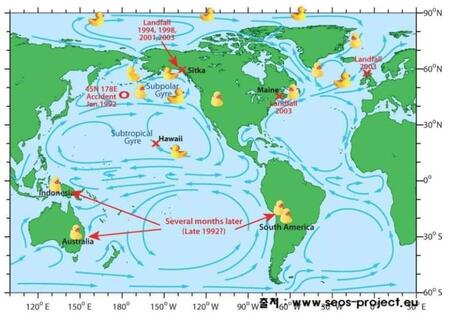
On January 10, 1992, the container ship Ever Laurel, en route from Hong Kong to the United States, was caught in a hurricane. 12 containers went overboard. One of them contained a batch of Chinese toys — 7,200 packages or 28,800 toys. The yellow rubber ducks (there were most of them) began their long-term journey across the ocean. A year later, oceanographers from Seattle began tracking the ducklings' movements. All the data was loaded into a computer program, which made it possible to predict the further path of the ducklings. Based on the developed models, a theory was proposed that some toys would be attributed to Japan, then back to Alaska, and then through the Bering Strait they would fall into the polar current and be trapped in the Arctic ice. A few years later, the ducklings will reach the North Atlantic, where the ice will begin to melt, and the toys will be free again. In 2008, the last of the lost ones were found in the UK and were published in a local geographic magazine.
In 2023, a 54-year-old resident of the United States entered the Guinness Book of Records, having collected a collection of 5,631 rubber ducklings. Charlotte Lee started collecting her collection in 1996. All her toys are displayed in glass cases on four walls in a separate «duck room».
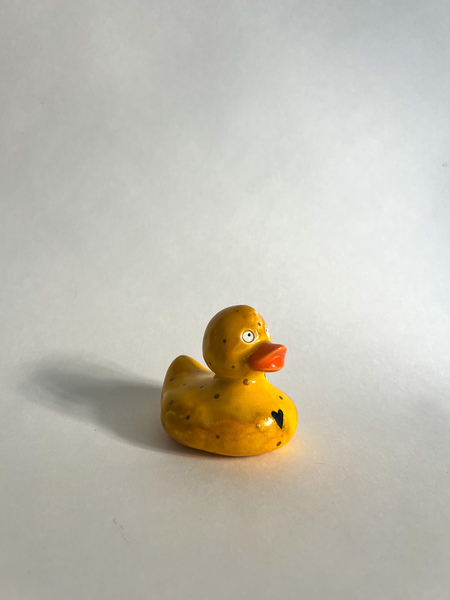
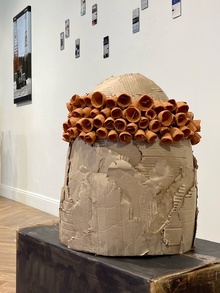
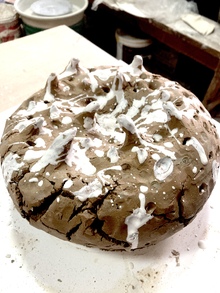
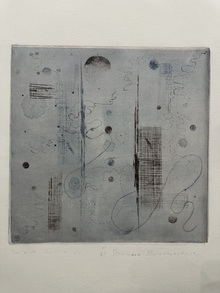
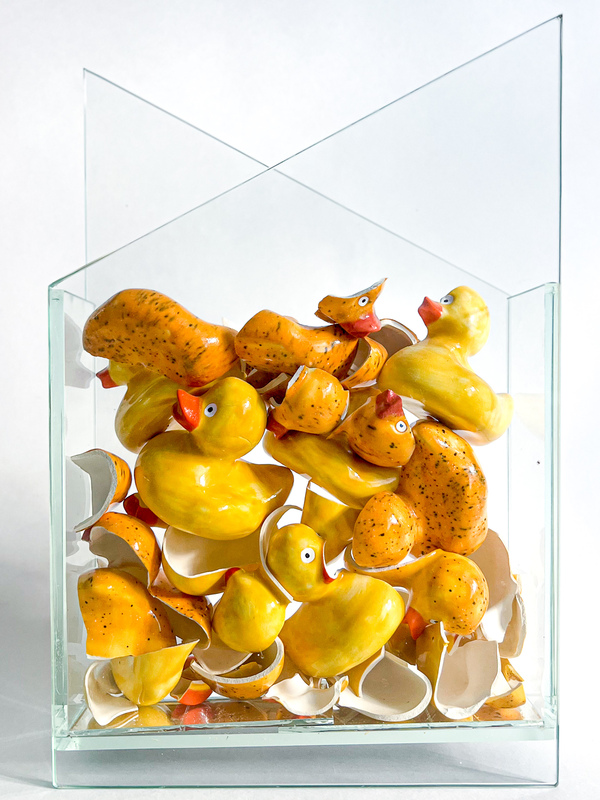
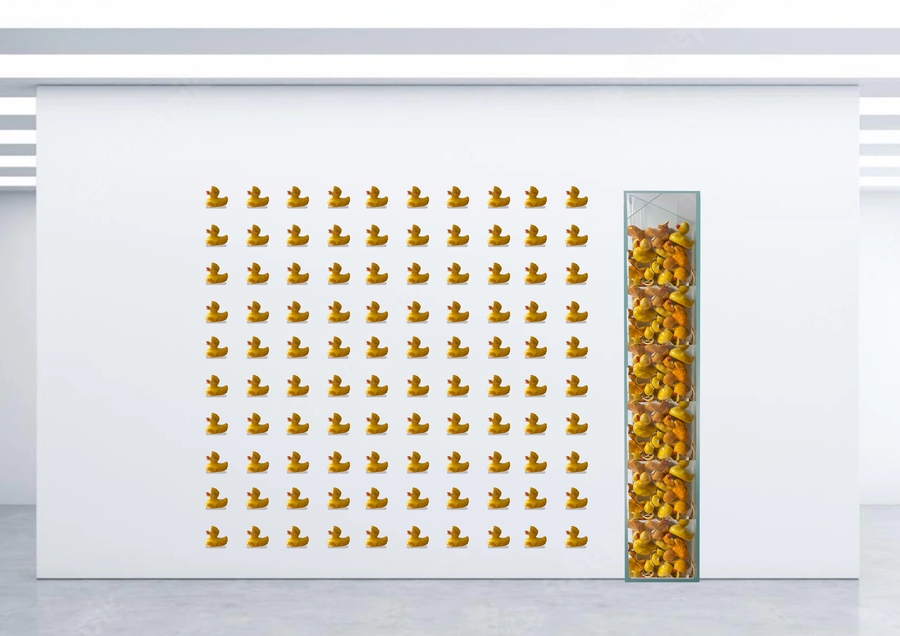
Ceramics is a technologically complex process where defects can occur at absolutely every stage of production — from molding to the last firing, and not all mistakes can be corrected. In my work, I invite the viewer to speculate about the volume of unbridled consumption, the resources for its production and waste from it. The 100 DUCK installation consists of 100 ceramic ducks and a polycarbonate column filled with defects from the production of these 100 successful specimens. The label also contains technical information that includes the consumption of materials and electricity for production.