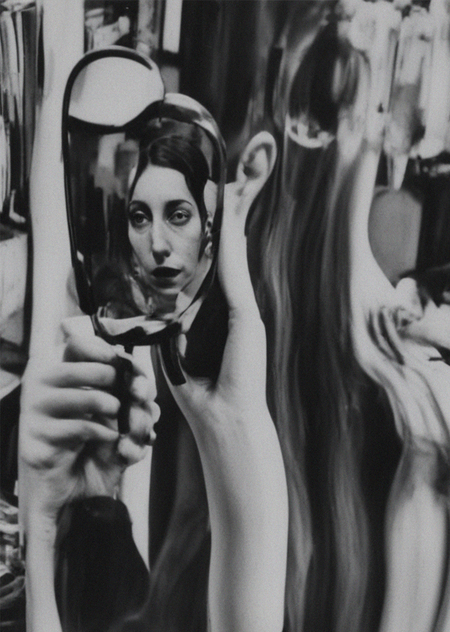
Concept
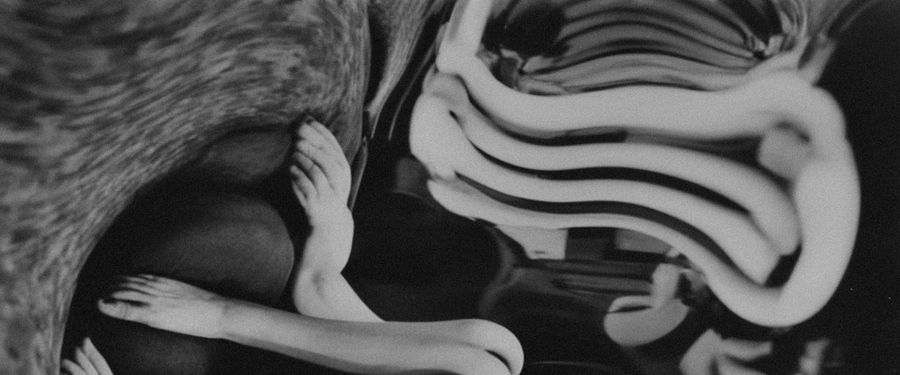
The project is dedicated to teaching neuronets how to generate images in the the style of photo artist Andre Kertes, one of the world’s greatest photographers of 20 the age. Keresh, using mirrors and various optical distortions, created current, jurisdictional, modified shapes that were embedded in the fact that reality is subjective. I’ve noticed that when you create images with help us we often encounter temi also distortions: extra fingers, folding hands, and legs, blurry or incomplete objects. These visual errors reflect the very process of perception of reality — something familiar, but and in that also alien time. I’ve decided to use these features to recreate Keresh’s vision by teaching it to generate work that’s close to his style.
Images for model learning
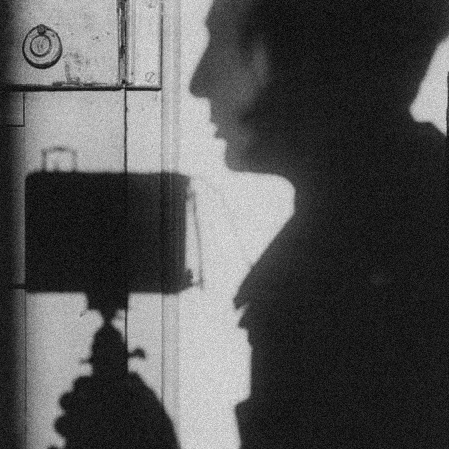
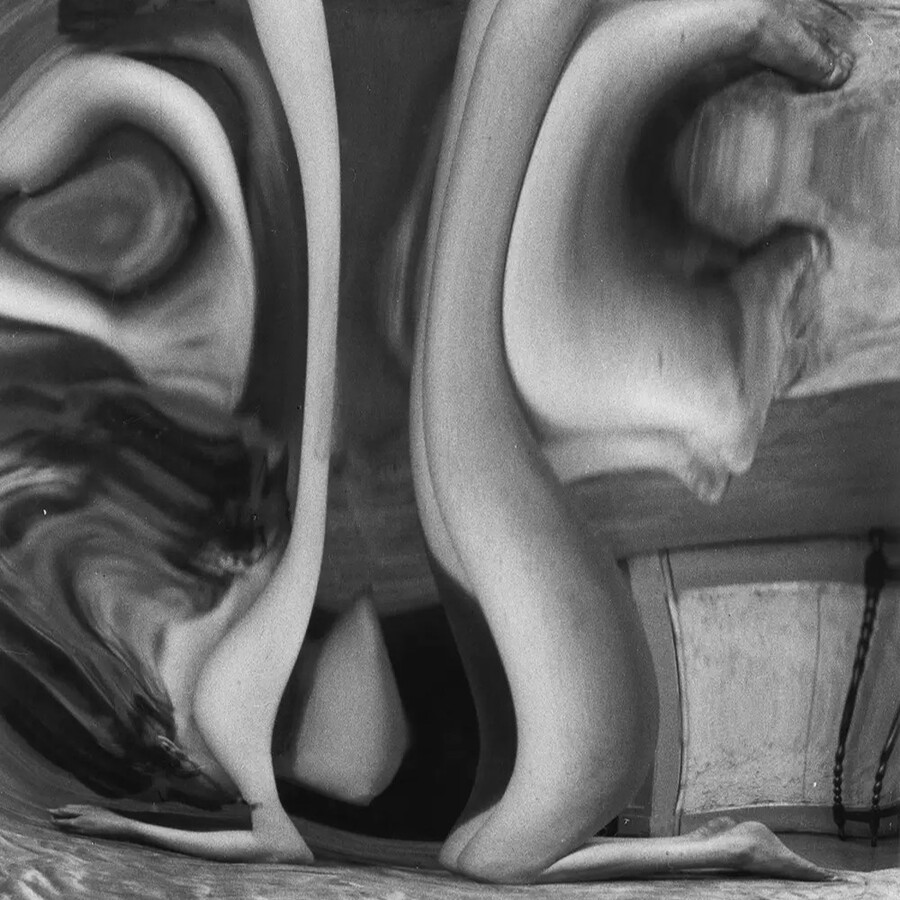
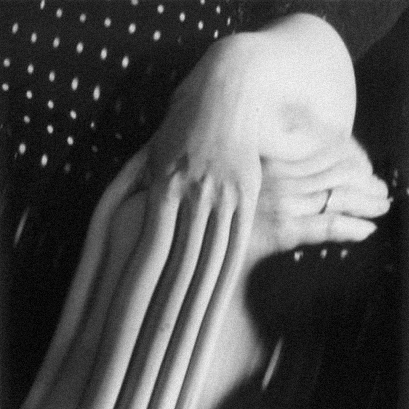
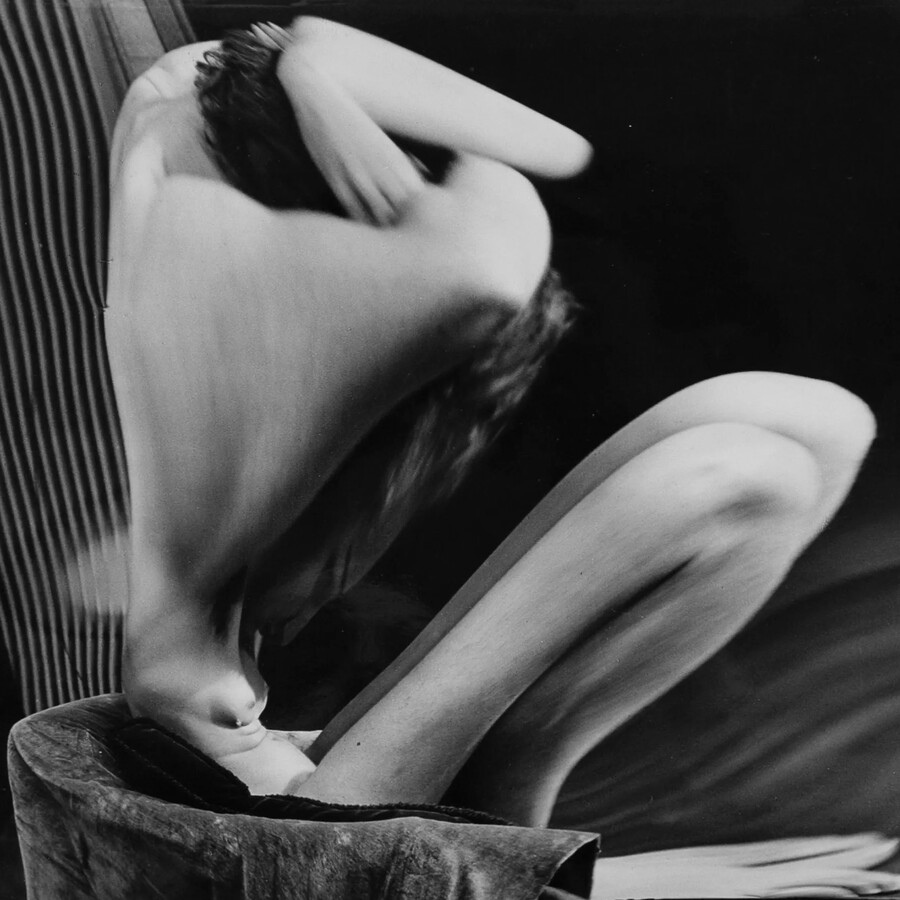
Keresh’s work can be divided into a few key themes: portraits, interior scenes, turmurmorts from .nbsp; day-to-day. In the process I leaned on genres to generate images that reflected its unique ability to transmit the world through a scattered, distorted look, acquiring surrealistic and even terrifying character.
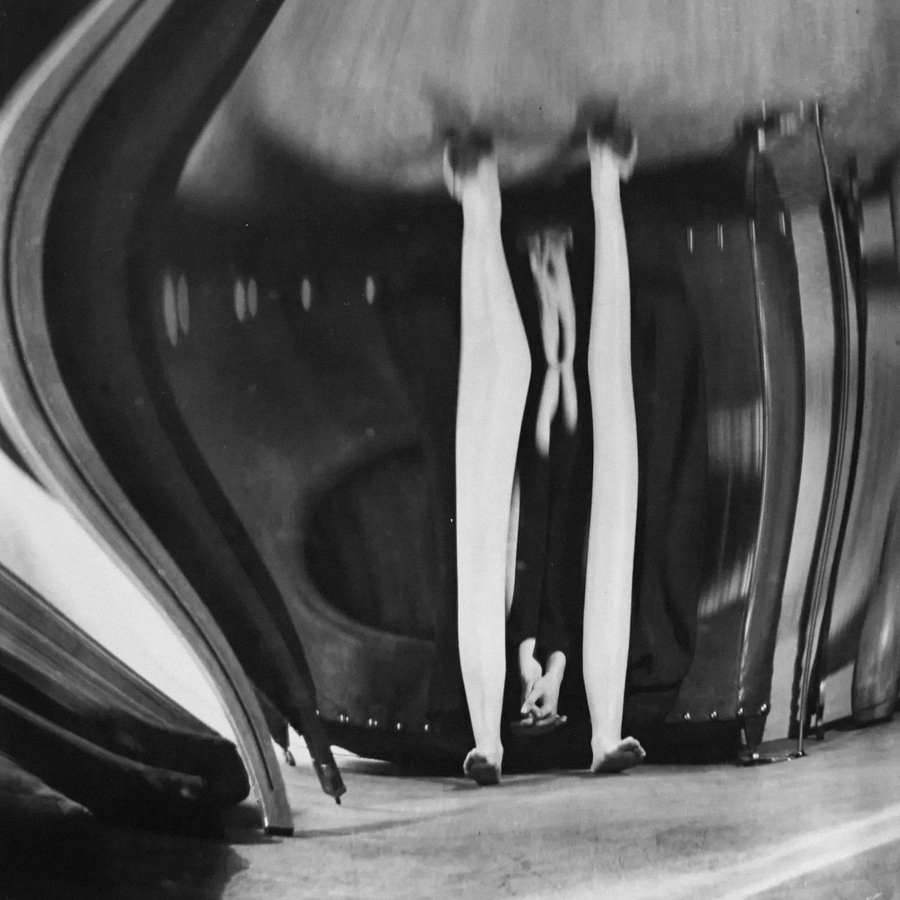
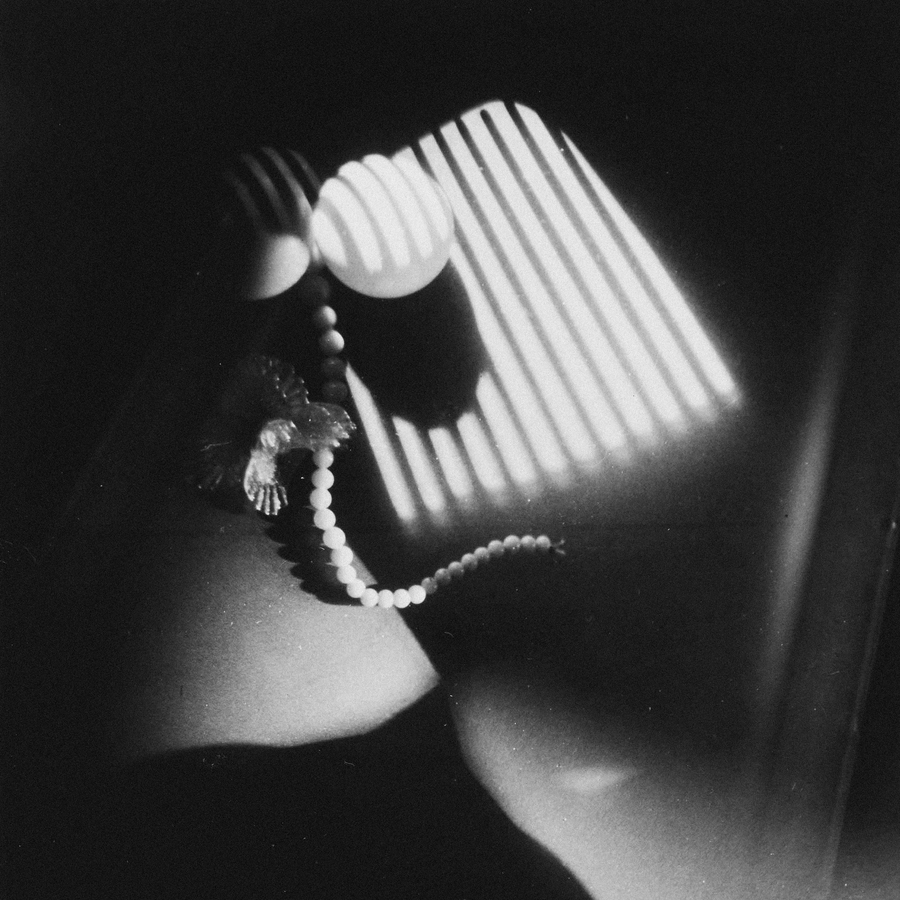
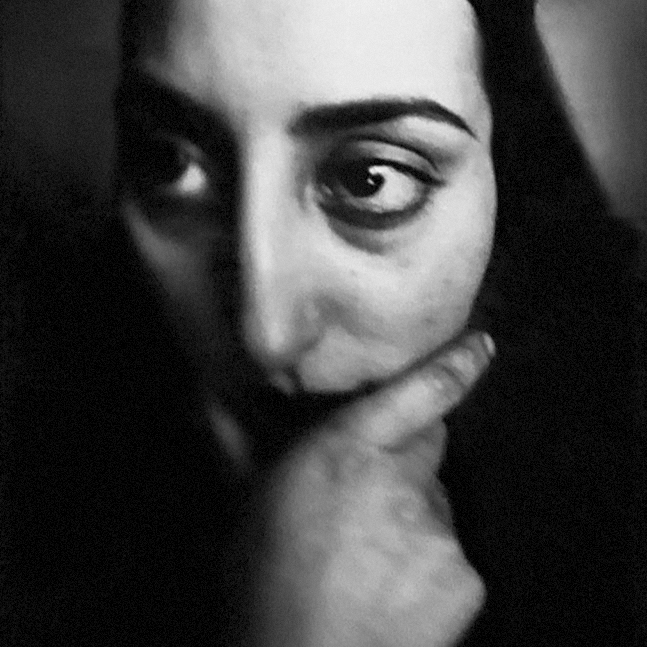
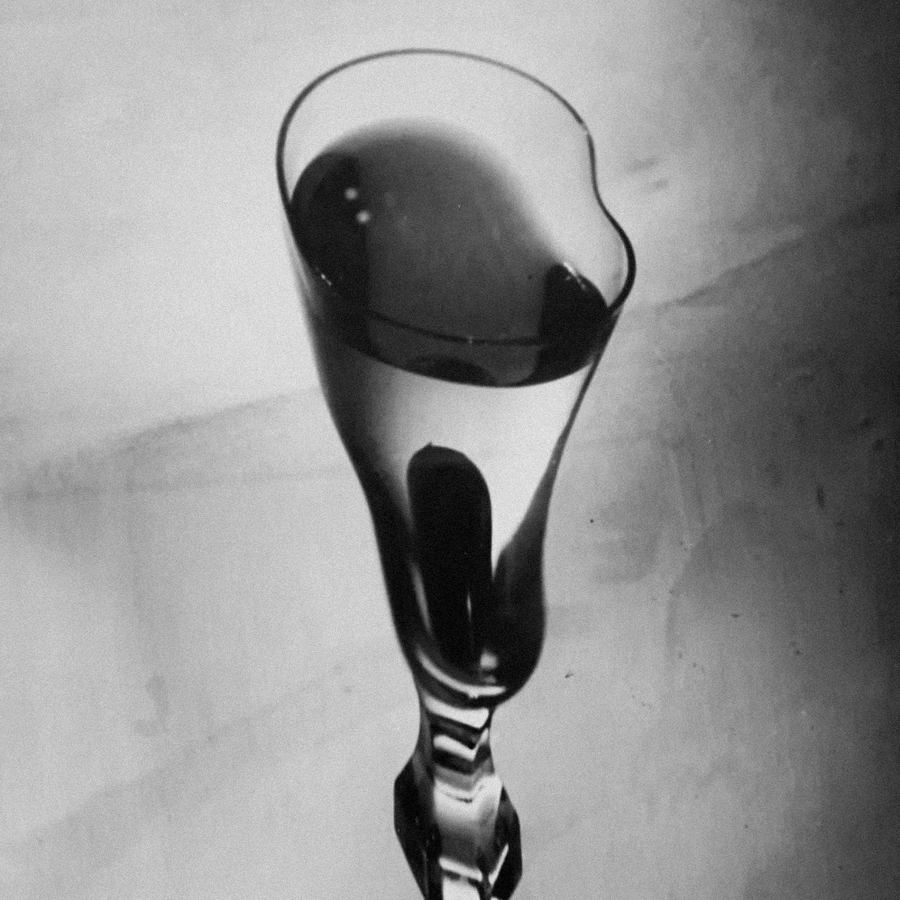
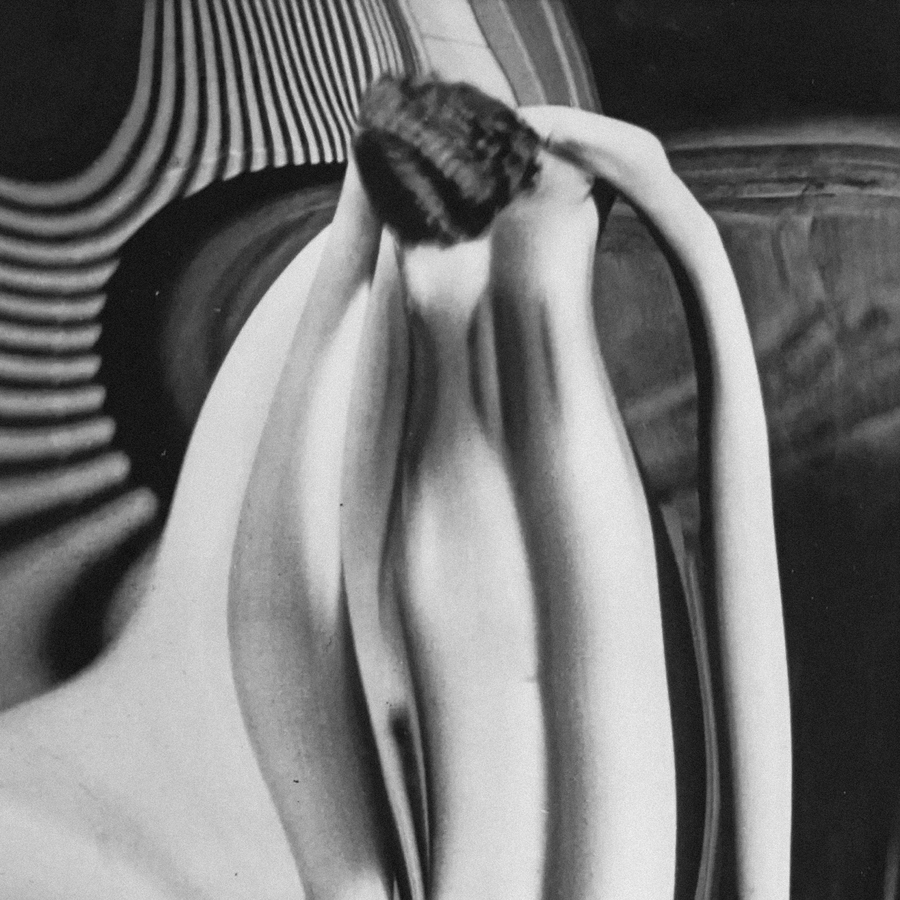
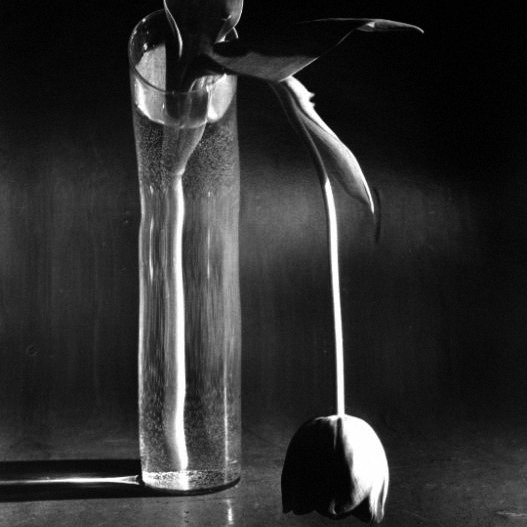
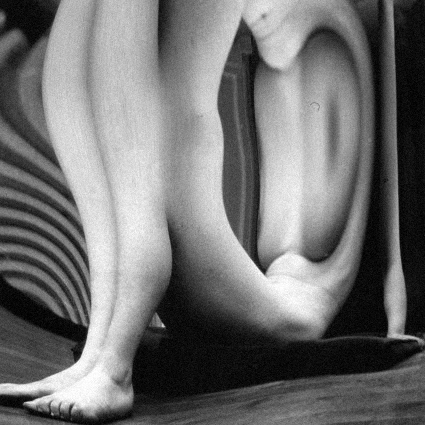
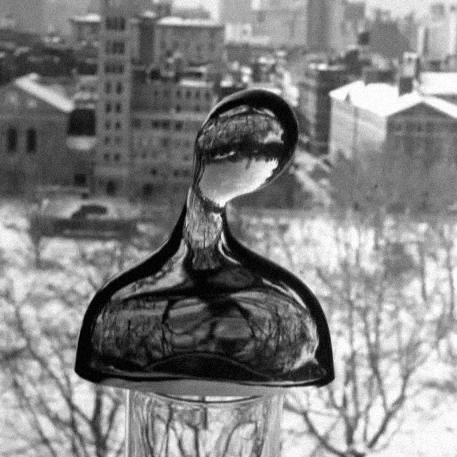
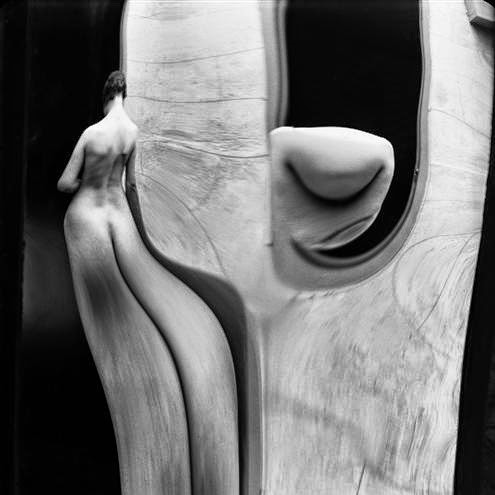
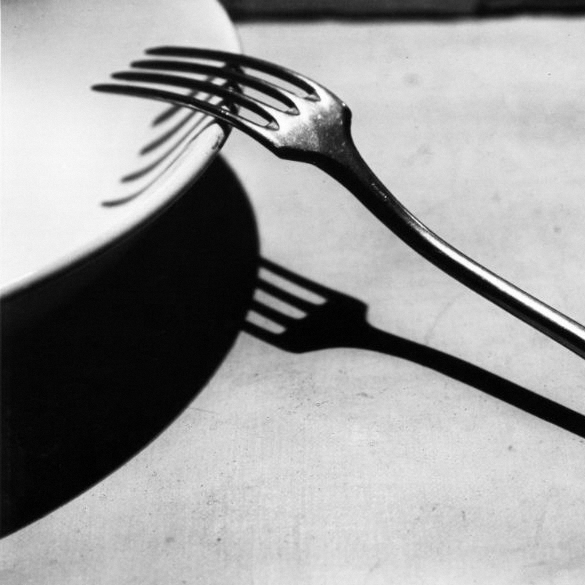
Total generated work
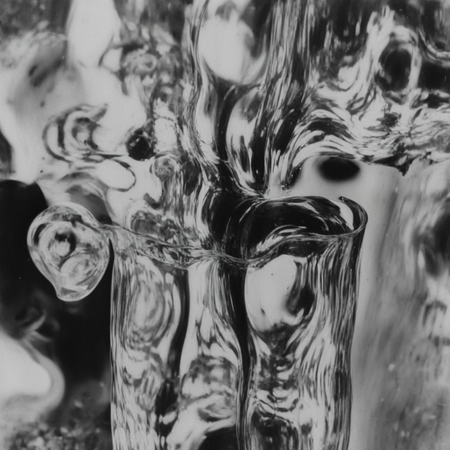
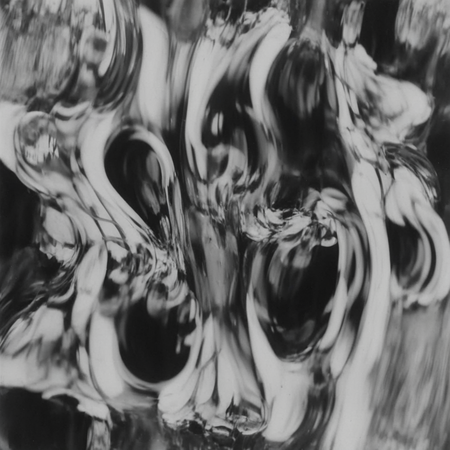
By comparing Keresh' original works with those produced, it can be seen that it has been particularly successful to recreate the distortions of the figures through mirrors, as well as daily turmurmorts and portraits. It is in these fragments that the key features of Kertes' style are most vividly revealed: the blurring shape, the impracticability of what is happening, the vagueness of images, the play of light and shadow, contrast, grainism, and the frightening aesthetic that characterizes his creation. The images clearly reveal strong distortions in the proportion and effect of the Kaleidoscope, creating a special sense of the world of Keresh, where reality loses its strict logic and can be transformed. The images of glass objects look particularly beautiful. Sometimes it can be noticed that objects are not as large as they are, or suddenly there are additional elements — for example, legs — that should not be part of the composition. Such distortions of reality, despite their unusual nature, fit perfectly into the surrealistic spirit of the artist and correspond to the concept.
Portraits
People in the environment
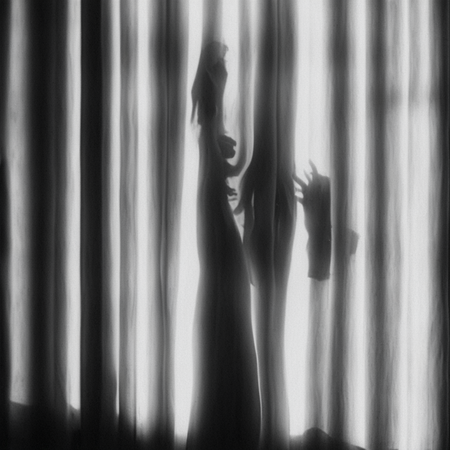
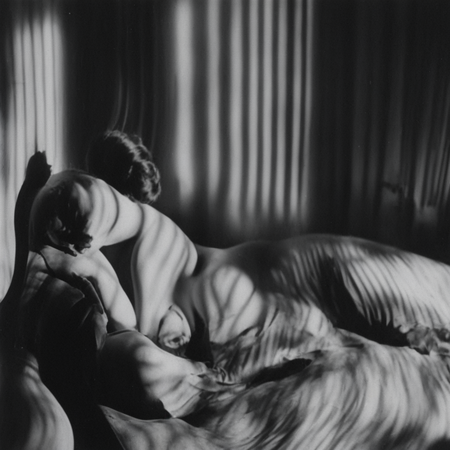
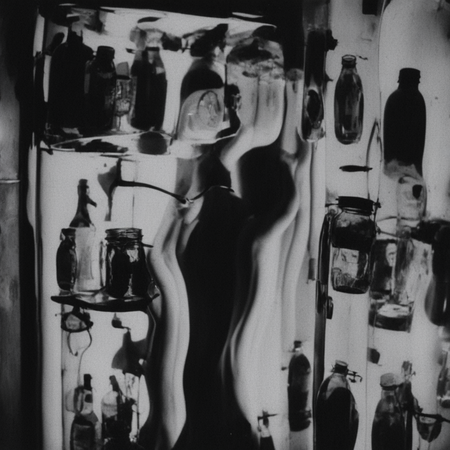
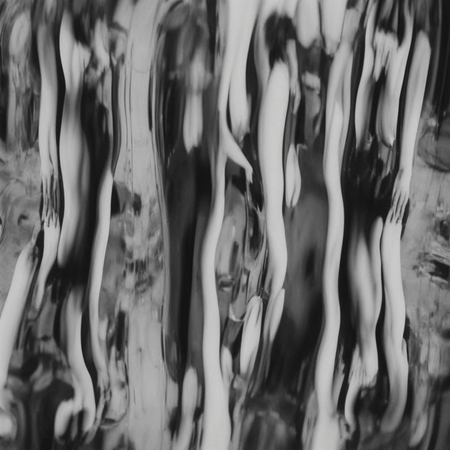
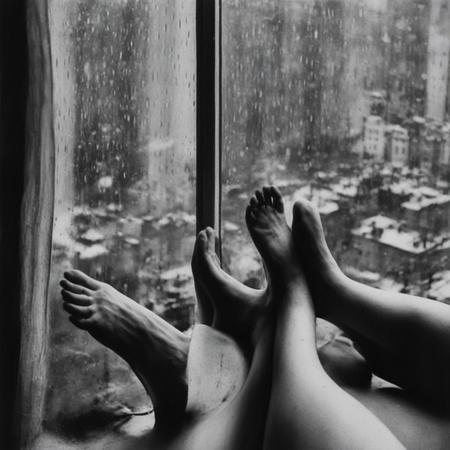
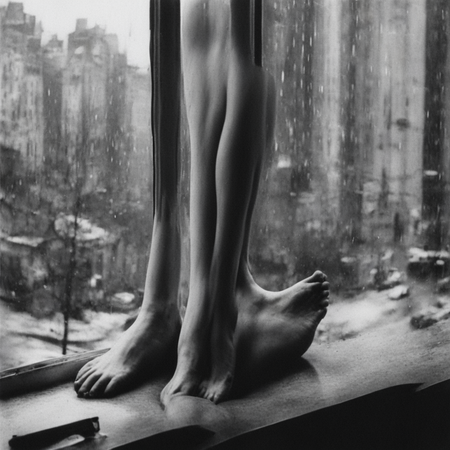
Dailys and facilities
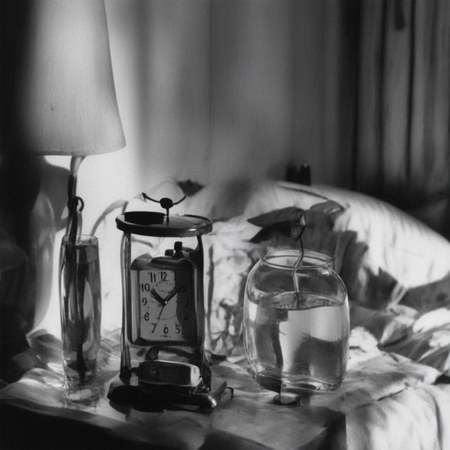
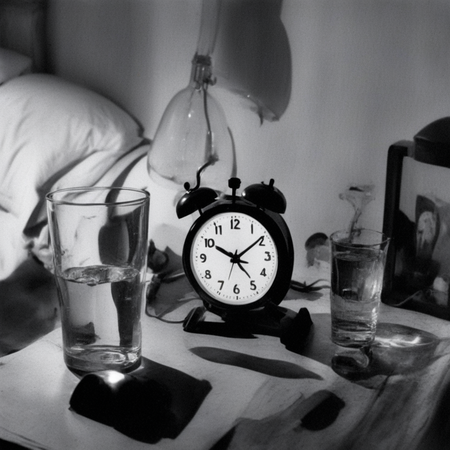
Learning process
The Stable Diffusion v1.5 using the LoRA method was used to create images in the style. The training was conducted in Google Colab with using GPU-acceleration. The process included selecting 19 the most representative work for the dataset that reflected the style and Kertesh’s genres; setting up a training pipline with applying LoRA to UNet and text encoder; and also preserving trained weights. The training lasted 500 shags, with intermediate check on the 250th step. The result was a model of kertesz_style_LoRA, with the help of which was generated by a final series of images. In the project also used ChatGPT — in the writing phase and code checks, and also for generating and developing a part of the text prompts.