
IKEA Food’s Communication Strategy: The Case of Meatballs
We decided to examine the application of communication theory in the field of design development using a practical case to gain a more detailed understanding of the topic.

IKEA Food is an integral part of IKEA’s brand ecosystem and serves a strategic communicative function. The spatial structure of IKEA stores presupposes a long, guided route through thematically organized zones, making the shopping process physically and time-consuming. The integration of dining areas directly into the retail space emerged as a solution to this issue, while simultaneously strengthening the emotional connection between the customer and the brand.
The food offered within IKEA Food conceptually extends the core values of the IKEA brand: simplicity, a sense of comfort, and references to Swedish cultural identity. The most concentrated expression of these principles is found in the brand’s iconic meatballs, which have become a recognizable symbol of IKEA.
Over time, IKEA expanded the communicative potential of this product by moving meatballs beyond the restaurant format. The introduction of ready-to-cook products for home preparation, followed by the expansion of the range to include chicken and vegan options, allowed the brand to address a broader audience and strengthen loyalty among consumers with diverse dietary and ethical preferences.
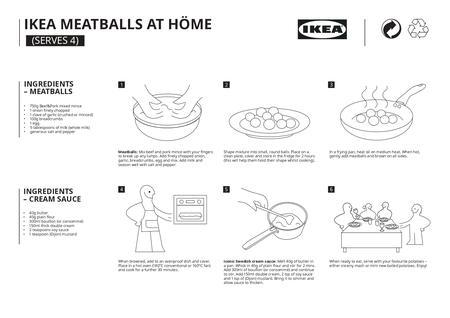
Within one advertising campaign, IKEA combined its meatballs with its distinctive visual language developed for assembly instructions. By relinquishing exclusive control over the recipe, the brand transformed it into a medium of communication: the act of cooking according to IKEA’s instructions became a form of everyday interaction between the user and the brand.

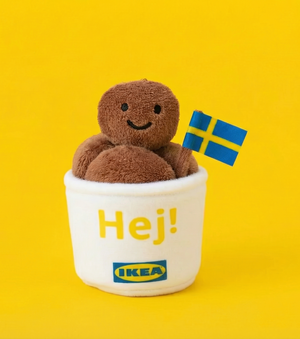
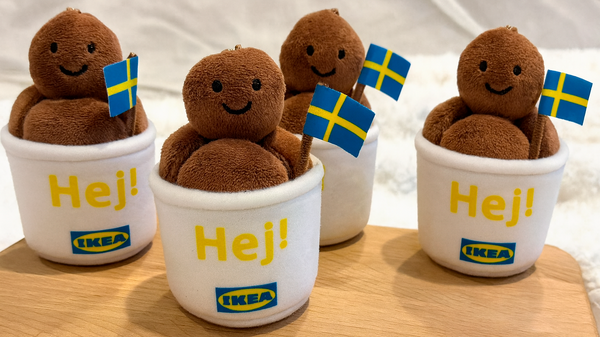
In 2025, this logic was further developed in a designer collection in which meatballs functioned as a form-generating element, for example in the design of a plate specifically created for them. Additionally, within a local campaign in Singapore, the iconic meatballs were reimagined as soft keychains, demonstrating the brand’s ability to transform a gastronomic object into an emotional and souvenir-like sign.
Based on the above, the following theories from the course are applicable to this case:
Dialogic Theory (Kent & Taylor) IKEA Food structures its visual communication as an ethical dialogue, creating a sense of trust-based and equal interaction through simplicity and a caring aesthetic.
Affordance Theory (Gibson; Norman) The design of IKEA Food establishes intuitive interaction scenarios, visually communicating accessibility, simplicity, and readiness for use.
Relationship Management Theory (Ferguson; Ledingham & Bruning) IKEA Food builds long-term relationships with consumers through repeatable rituals and emotional engagement rather than direct advertising.
Narrative Paradigm (Fisher) IKEA Food employs a visual narrative of Scandinavian comfort and everyday simplicity as a persuasive form of brand storytelling.
Based on our observations and conclusions from these theories, we developed values for our brand. First and foremost, we aimed to make the brand accessible, comfortable, and relatable to our customers on a daily basis.
Presentation for general audience
WORK WITH THE LITTLE UNKNOWNS!
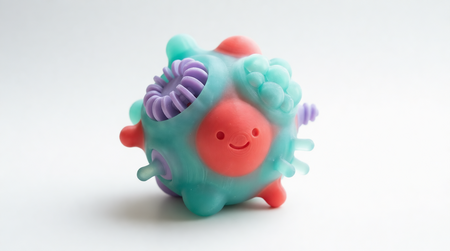
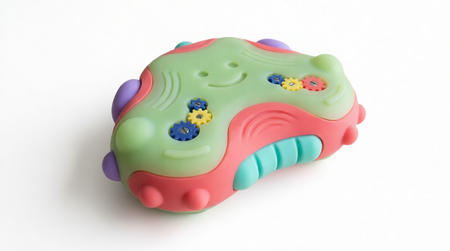
MICRODUDES — friendly pet-microbes for your working space!
MICRO-HUG Collection of anti-stress fidgets
Suitable for adults and children, helps cope with stress at school and work!
Blind-Box Packaging




Advertising poster
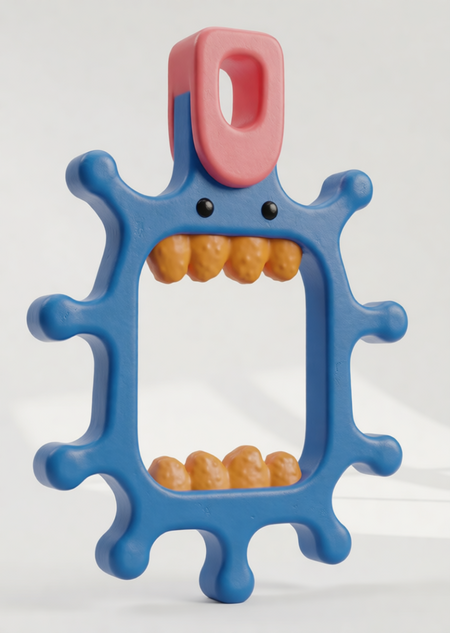
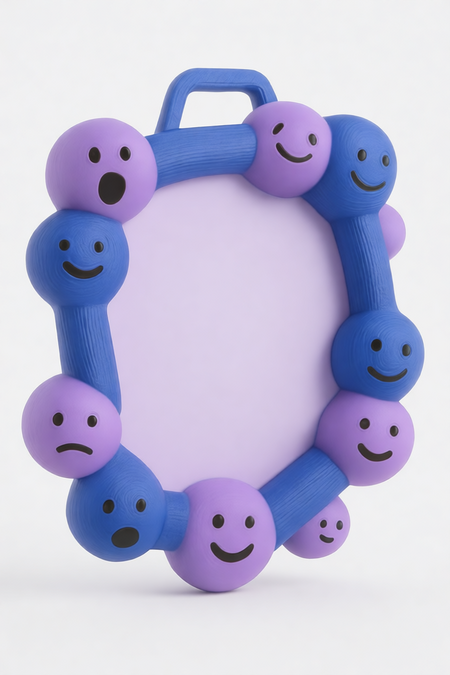
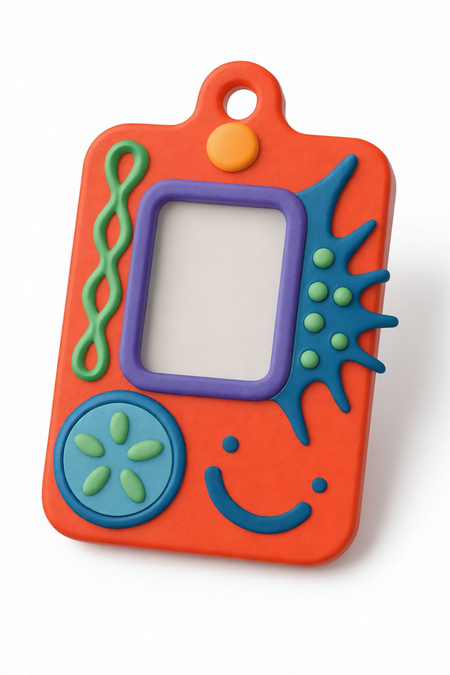
CARDHOLD-DUDES Collection of bright cardholders
Keep all the necessary cards — school passes, work passes, travel passes — at hand!

BLOBINATOR Collection of Pen Holders
Helps to organize your workspace!