Longread translated automatically
Original size 1363x2048

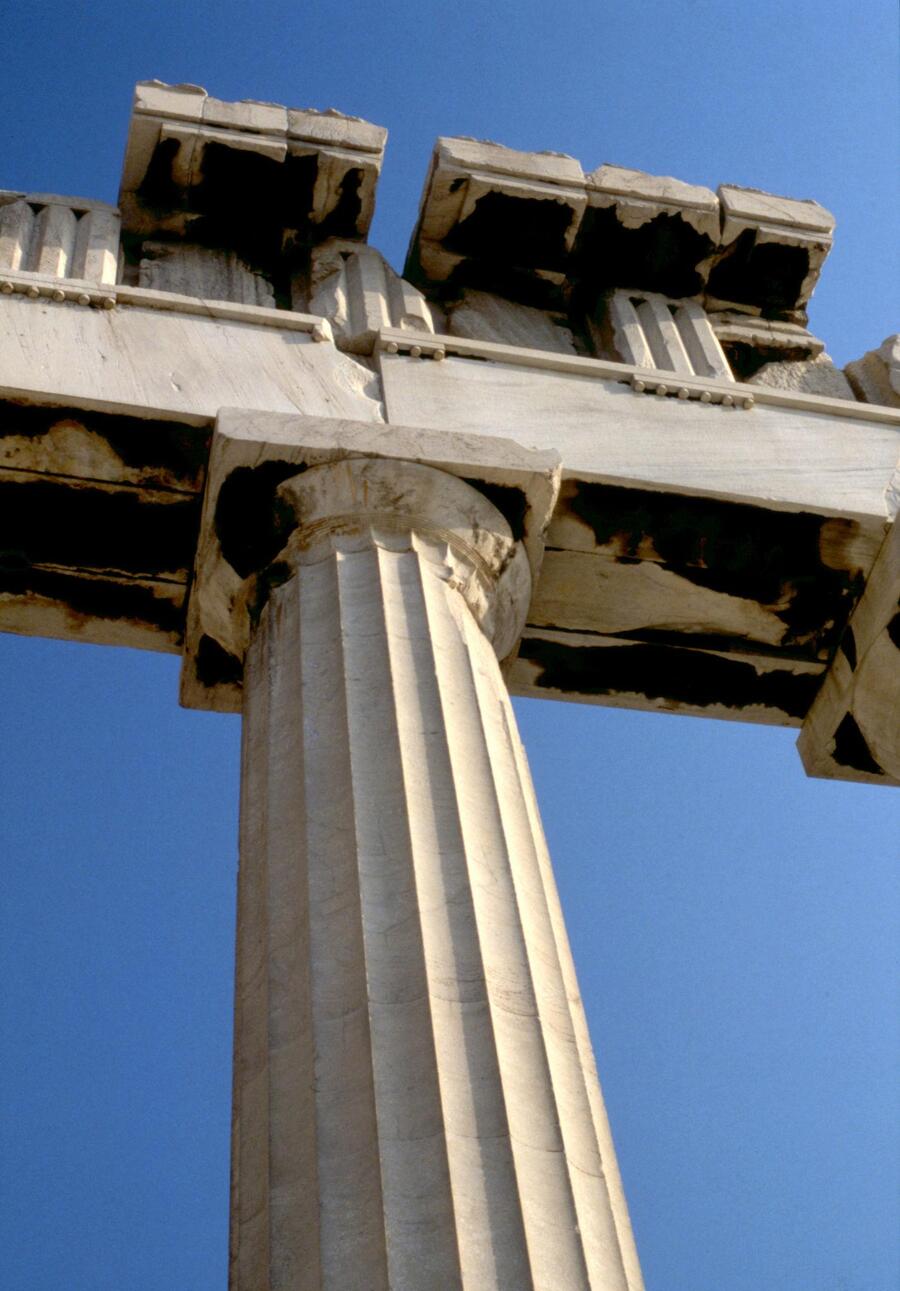
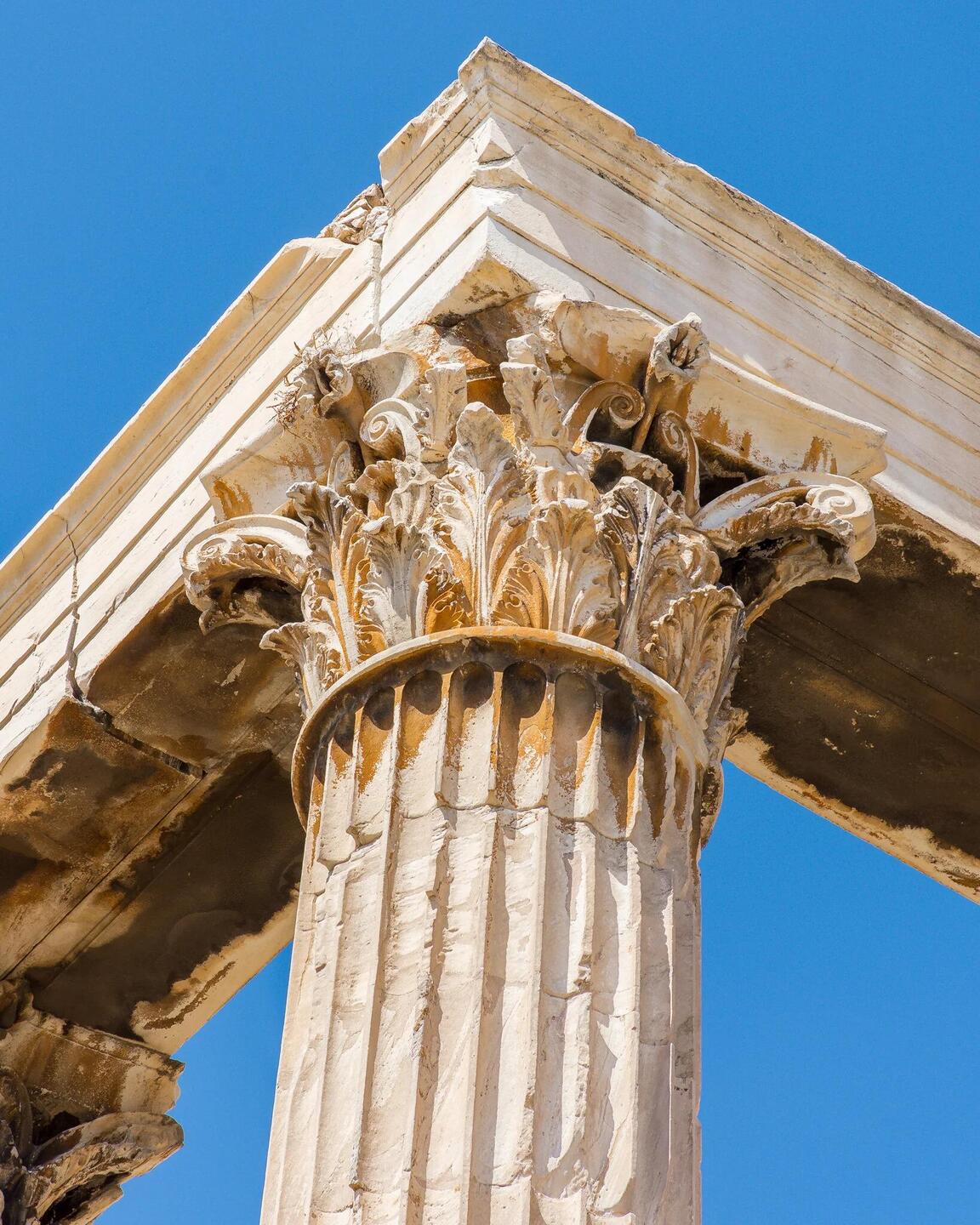
Doric, Ionic, Corinthian. The classical orders of the Greeks, Romans, and their Neoclassical successors. An analysis of structural differences.

PROTECT STATUS: not protected
This project is a student project at the School of Design or a research project at the School of Design. This project is not commercial and serves educational purposes
The project is taking part in the competition

Concept

When I look at ancient temples and buildings constructed much later, I notice that many of them share similarities. Columns, capitals, and decorative elements are repeated in their architecture. But if you look closely, you realize that they are constructed in different ways.

I became curious why some columns appear massive and severe, others lighter, and a third group features intricate botanical decoration. Most importantly, I wanted to explore how these characteristics were maintained and evolved over several centuries.

In my research, I aim to compare three classical orders and trace how the ancient Greeks, Romans, and architects of the Modern era utilized them.
0
1/3

Doric | Ionic | Corinthian

Doric, Ionic, Corinthian. The classical orders of the Greeks, Romans, and their Neoclassical successors. An analysis of structural differences.
Project created at 19.11.2026
start.hsedesign
The HSE Art and Design School spans 4 campuses, offering 9 bachelor's programs and approximately 40 specialized tracks. To apply, you must not only submit your documents on time but also upload your creative project—if required by your chosen program.
applicants’ projects
faculty of pre-university training
lyceum
online school
children's school
We use cookies to improve the operation of the HSE website and to enhance its usability. More detailed information on the use of cookies can be fou...
Show more