
Why are we willing to pay thousands of dollars for dirty sneakers, garbage-bag-like bags, and absurd cartoon boots? A visual study of the ugly fashion phenomenon: how brands deconstruct the concept of beauty and transform anti-design into a primary tool for viral marketing.
Concept
In the contemporary visual landscape, a paradoxical phenomenon has emerged: leading fashion houses and designers are intentionally creating items that violate the classical rules of aesthetics, proportion, and good taste. The aesthetics of «ugly fashion» and anti-design have become the dominant trend of recent years—from deliberately aged and soiled Balenciaga sneakers to the absurd cartoon footwear from the MSCHF art collective or the pigeon-shaped bags from JW Anderson. In an era of massive visual saturation, brands are forced to find new ways to capture attention, and provocation through «ugliness» proves more effective than traditional, harmonious beauty.


Balenciaga Fall 2022 Ready-To-Wear
The relevance of this research lies in the necessity of understanding how this phenomenon deconstructs traditional notions of beauty and transforms fashion from a tool for creating clothing into an industry for producing viral internet memes.
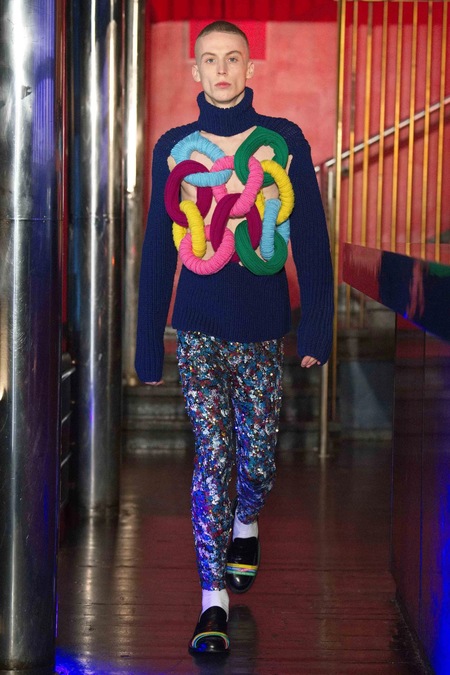
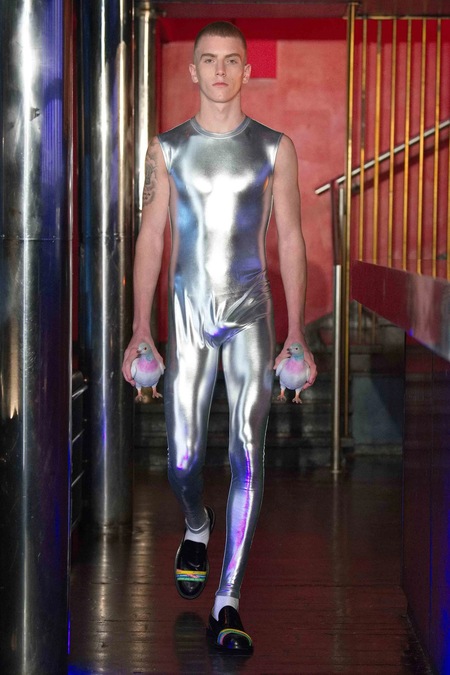
JW Anderson Fall/Winter 2022
Research Question: What visual and communicative mechanisms underpin the popularity of anti-design in contemporary fashion, and why are consumers willing to pay a high price for visually repellent or absurd objects? Hypothesis: The deliberate use of anti-design and «ugly» aesthetics in modern fashion is not a lapse in taste but a calculated tool of viral marketing. In the modern «attention economy,» items are created not for utilitarian use, but as provocative media. Visual absurdity (ugly fashion) grants the object high memorability, transforming it into a tool for generating digital content, and paradoxically becoming the highest form of elite consumerism rooted in post-irony.
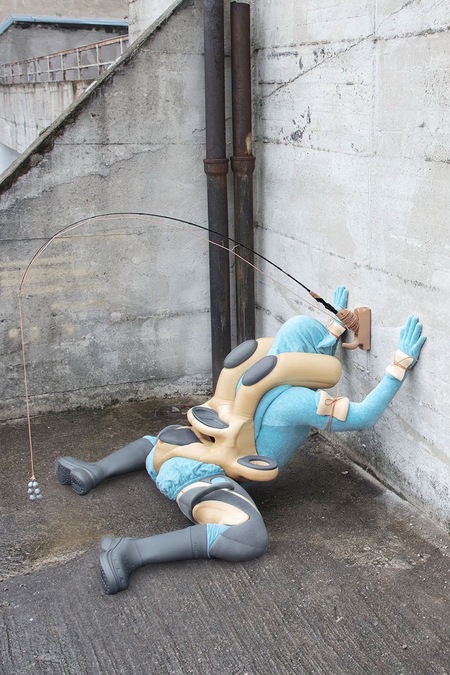

Anna Uddenberg/Balenciaga 2021
The sample includes visual materials—photographs from campaigns, lookbooks, runway shows, and viral publications—from key trendsetters in anti-design. The focus is on Demna Gvasalia’s work for the brand Balenciaga (campaigns featuring trash-bag-like bags and ripped footwear), the releases from the Brooklyn art collective MSCHF (Big Red Boots, Microscopic Handbag), and the ironic accessories by JW Anderson. This selection is representative because these very visual objects generated the most significant buzz in the media landscape and vividly illustrate the transition of an item from being a piece of clothing to becoming an internet meme.
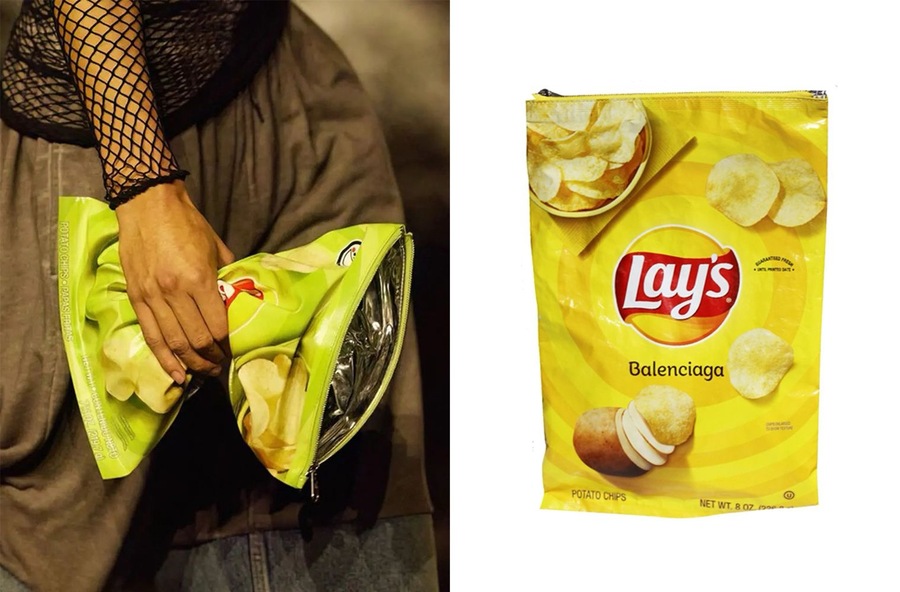
Balenciaga x Lays Potato Chip Clutch Bag 2022
For the theoretical foundation of the research, classic works on the sociology of consumption and aesthetics were utilized. Jean Baudrillard’s work, «The Consumer Society, ” will allow for an analysis of the consumption of sign-objects, while Umberto Eco’s „The History of Ugliness“ provides the framework for understanding the evolution of the grotesque in culture. Modern studies on visual communication, attention economics, and meme theory (drawing from the RSCI and CyberLeninka databases) were also incorporated to substantiate the current digital mechanisms driving the spread of ugly fashion.
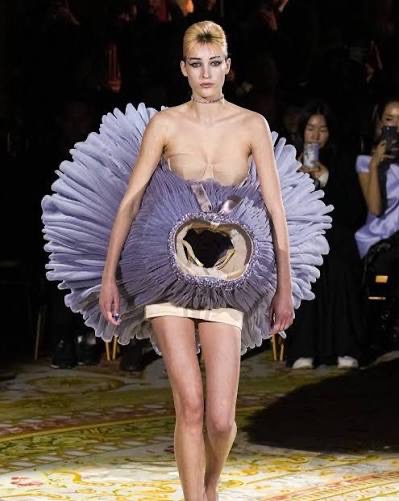
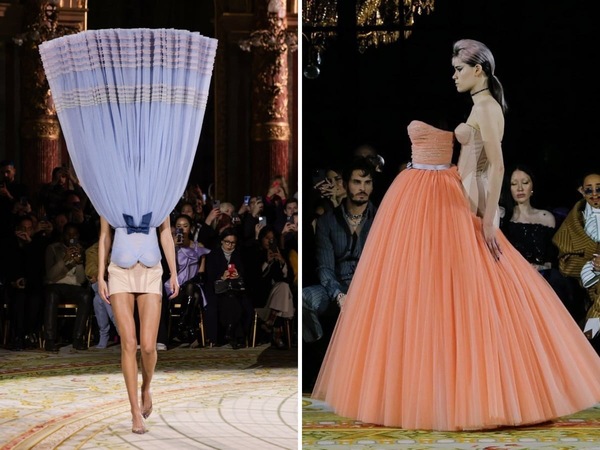
Haute Couture Spring/Summer 2023 Photography: Giovanni Giannoni
Chapter 1. Ugly Shoes: From Normcore to High Fashion
The emergence of the «ugly sneakers» trend illustrates the classic mechanism described by Georg Simmel in his theory of fashion as a process of continuous imitation and differentiation [3, p. 268]. When classic elegance became accessible to the mass market, the elites required a new visual barrier for segregation. Deliberately disproportionate, aesthetically unattractive footwear served as this barrier, growing out of the street aesthetic of «normcore"—the pursuit of exaggerated «ordinariness» [6].
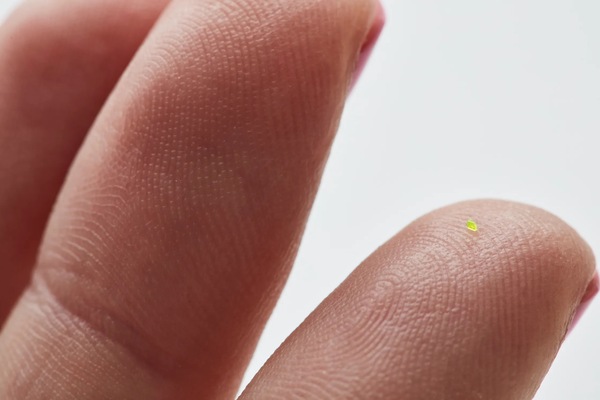
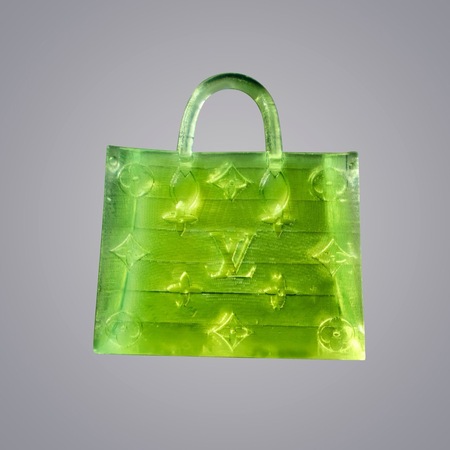
MSCHF. Microscopic Handbag 2023
In this context, the utilitarian value of the object is nullified. As Jean Baudrillard notes, in consumer society, the functional object is replaced by the sign-object [1, p. 56]. Rubber clogs on heels or hypertrophied sneaker soles sacrifice physical comfort, thus shifting the item into the realm of symbolic exchange and the demonstration of belonging to the avant-garde.
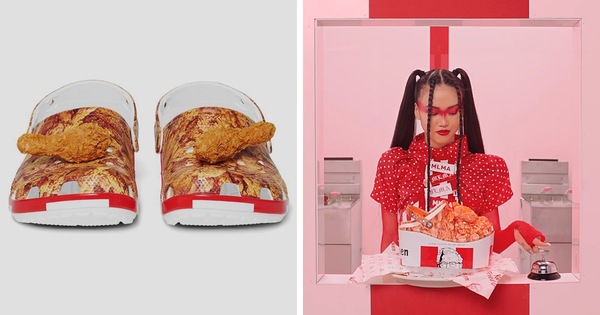

The KFC x Crocs Collaboration 2020
The phenomenon of artificially aged and visually degraded objects (such as the Balenciaga Paris Sneaker) elevates anti-design to a new level. Fashion researchers connect the term «ugly fashion» to the «jester» archetype, which deliberately challenges conventional standards and bourgeois respectability [5]. This is a manifestation of status where the consumer can afford to purchase visually compromised objects at a premium price.
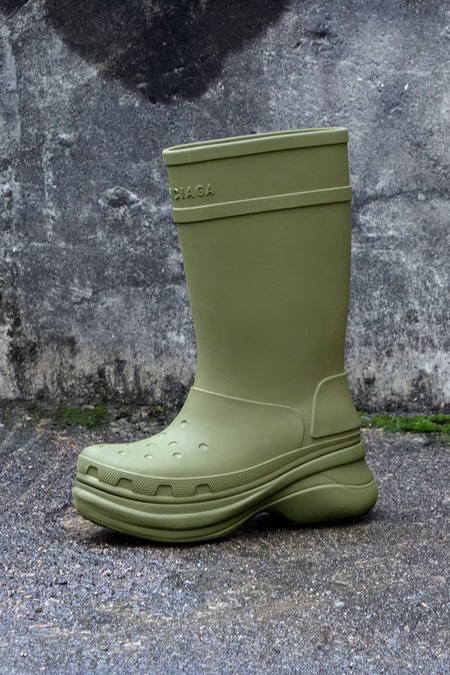
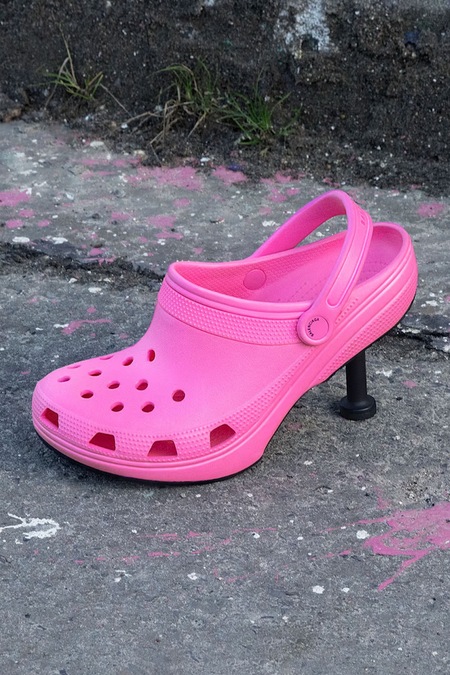
Anna Uddenberg/Balenciaga 2021
«Ugly» design functions as a social filter: it instantly separates the cultural elite—those who possess the capital to decode the designer’s irony (and understand the rules of the game)—from the mass consumer, who continues to think in traditional categories of harmony and beauty [2, p. 45].
Chapter 2. Garbage Realism: The Appropriation of Poverty
The visual strategy of «trash realism» represents a process of commodifying marginality. Industry appropriates the visual codes of poverty—garbage bags, cheap plastic bowls—stripping them of their socio-economic tragedy and repackaging them as luxury items for the privileged class.
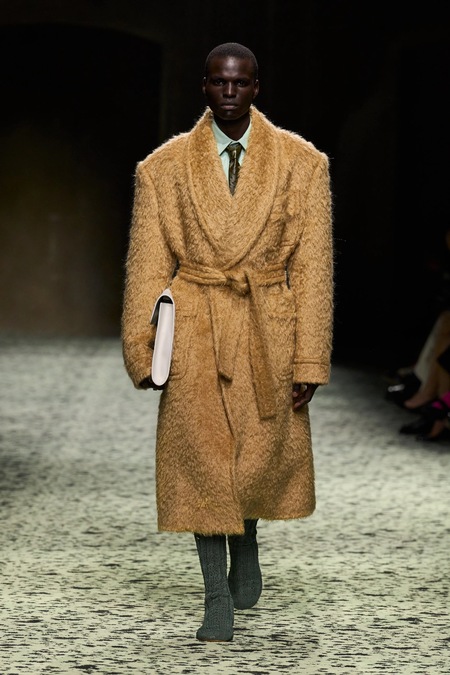
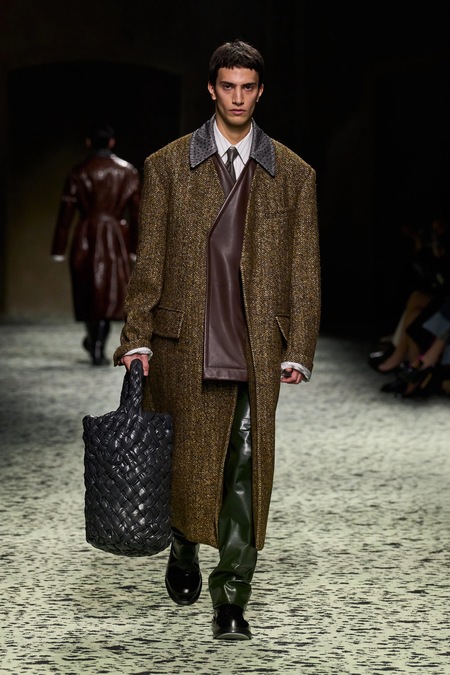
Bottega Veneta Fall/Winter 2023 collection at Milan Fashion Week on February 25, 2023
Umberto Eco, in his work «The History of Ugliness, ” emphasizes that the grotesque often possesses greater dynamic energy and emotional impact because it is not constrained by strict canons of proportion [7, p. 112]. By imitating a garbage bag, the brand exploits the shock potential of ugliness, provoking a guaranteed and fervent response from the audience.
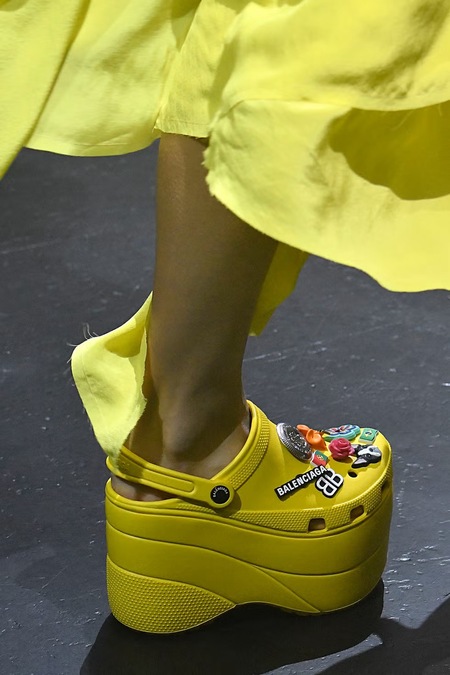

Crocs on the runway at Balenciaga’s Spring/Summer 2018 show
Deconstruction of everyday objects is closely related to the phenomenon of post-irony in visual culture. As noted in contemporary research, post-irony describes a situation where sincerity is difficult to distinguish from sarcasm [4]. A consumer carrying a bag shaped like a chip bag simultaneously participates in the critique of hyperconsumption while remaining an active agent within it.
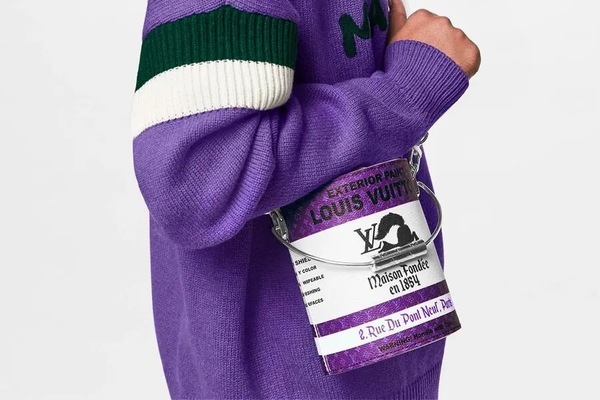
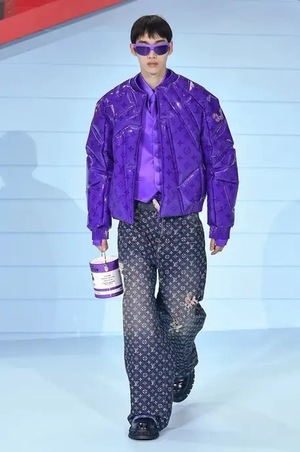
Louis Vuitton Paint Can Bag Fall/Winter 2022
The transformation of a mass-market blue bag into an expensive leather accessory is a triumph of brand symbolic power over material form. In this paradigm, the logo possesses absolute legitimacy, capable of imbuing even the most anti-aesthetic shapes with luxury status.
Chapter 3. Fashion as a Meme: Absurdity for the Click







