Longread translated automatically
Original size 679x972

The Art of Memory: Visualizing Mnemonic Techniques

Original size 1920x390

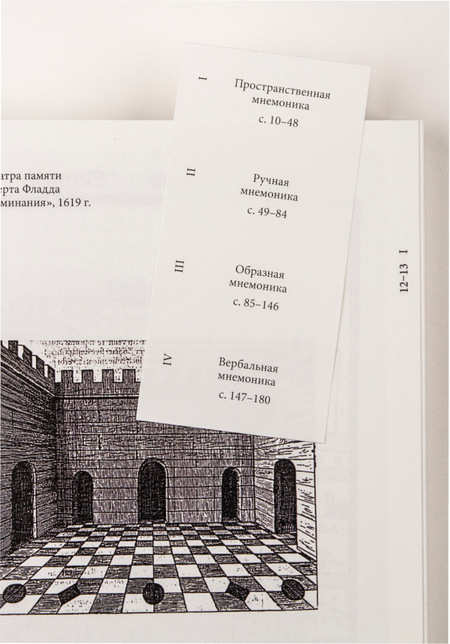
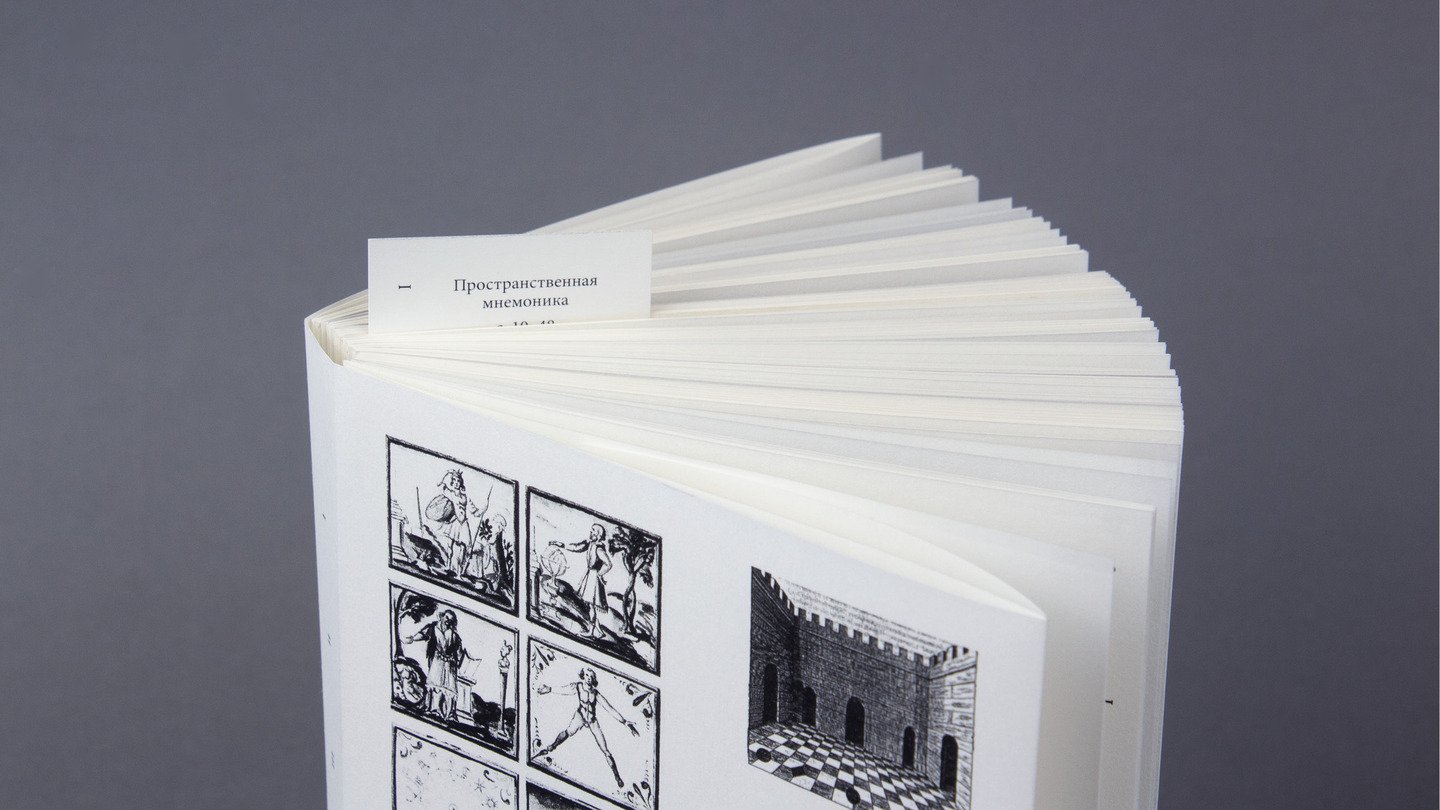
The visual research aims to examine the subjective perception within mnemonics. The book explores both existing mnemonic techniques—some originating in prehistoric eras—and various examples that cannot be strictly labeled as mnemonics, yet they serve the same overarching goal: memorization and the creation of artificial associative imagery.

Original size 1920x540
Original size 2560x1440

«Cicero points out that Simonides’ invention of the art of memory was based not only on identifying the value that order holds for memory, but also on prioritizing sight as our most powerful sense.»

Francis Yates, «The Art of Memory»

Original size 2560x1440

Original size 1920x750
Original size 2560x1440

Original size 1920x750
Original size 2560x1440








The Art of Memory: Visualizing Mnemonic Techniques
Ксения Крицкая создала книгу, посвящённую визуализации мнемонических техник и их истории, начиная с дописьменной эпохи. Проект включает анализ как традиционных методов запоминания, так и нестандартных примеров, связанных с формированием ассоциативных образов.
Project description created with AI
Project created at 20.10.2026
More projects in book design
GLOBAL STANDARDS:

1. English Variant:
   — Use American English spelling (e.g., «Program», «Color», «Organize», «Enrollment», «Defense»).

2. Typography & Formatting:
   — Quotes: Convert Russian «…» or «…» to «…» (curly quotes).
   — EXCEPTION: In Category 1 (UI) and Category 4 (Tags), use straight quotes or no punctuation if specified by the category rules.
   — Dashes: Use en-dashes (–) for ranges (e.g., 1990–2020) and em-dashes (—) for sentence breaks.

3. Official Naming Conventions:
   — «Школа дизайна НИУ ВШЭ» → «HSE Art and Design School» (Use «the School» for subsequent mentions).
   — «Детская школа дизайна НИУ ВШЭ» → «HSE Art and Design Kids School».

4. Universal Terminology (Strict Adherence):
   — «Учащиеся / Студент / Ученик» → Always «Student» (NEVER «Pupil»).
   — «Аудитория» → «Classroom», «Studio», or «Lecture Hall» (NEVER «Auditorium» unless referring to a theater).
   — «Кафедра» → «Department».
   — «Актуальный» → «Relevant», «Current», or «Timely» (NEVER «Actual»).
   — «Курс» (Year of study) → «Year» (e.g., «Sophomore», «2nd Year Student»).

5. Vocabulary Strategy (Age Groups):
   — «Дети» → Use «Kids» for UI/Marketing (Cats 1 & 2); Use «Children» for Academic/Theory (Cats 3 & 7).
   — «Подростки» → «Teens» (UI/Marketing) vs. «Young Adults» (Academic).

---
ВУАЛЬ
GLOBAL STANDARDS: 1. English Variant:  — Use American English spelling (e.g., «Program», «Color», «Organize», «Enrollment», «Defense»). 2. Typography & Formatting:  — Quotes: Convert Russian «…» or «…» to «…» (curly quotes).  — EXCEPTION: In Category 1 (UI) and Category 4 (Tags), use straight quotes or no punctuation if specified by the category rules.  — Dashes: Use en-dashes (–) for ranges (e.g., 1990–2020) and em-dashes (—) for sentence breaks. 3. Official Naming Conventions:  — «Школа дизайна НИУ ВШЭ» → «HSE Art and Design School» (Use «the School» for subsequent mentions).  — «Детская школа дизайна НИУ ВШЭ» → «HSE Art and Design Kids School». 4. Universal Terminology (Strict Adherence):  — «Учащиеся / Студент / Ученик» → Always «Student» (NEVER «Pupil»).  — «Аудитория» → «Classroom», «Studio», or «Lecture Hall» (NEVER «Auditorium» unless referring to a theater).  — «Кафедра» → «Department».  — «Актуальный» → «Relevant», «Current», or «Timely» (NEVER «Actual»).  — «Курс» (Year of study) → «Year» (e.g., «Sophomore», «2nd Year Student»). 5. Vocabulary Strategy (Age Groups):  — «Дети» → Use «Kids» for UI/Marketing (Cats 1 & 2); Use «Children» for Academic/Theory (Cats 3 & 7).  — «Подростки» → «Teens» (UI/Marketing) vs. «Young Adults» (Academic). --- ВУАЛЬ
Яна Бутонова создала серию покетбуков о становлении парижской клубной культуры и её связи с модой. Проект включает в себя подробное описание ночной жизни Парижа 1970–1980-х годов и её ключевых участников.
start.hsedesign
The HSE Art and Design School spans 4 campuses, offering 9 bachelor's programs and approximately 40 specialized tracks. To apply, you must not only submit your documents on time but also upload your creative project—if required by your chosen program.
applicants’ projects
faculty of pre-university training
lyceum
online school
children's school
We use cookies to improve the operation of the HSE website and to enhance its usability. More detailed information on the use of cookies can be fou...
Show more