1. Communication Theory in the Field of Design


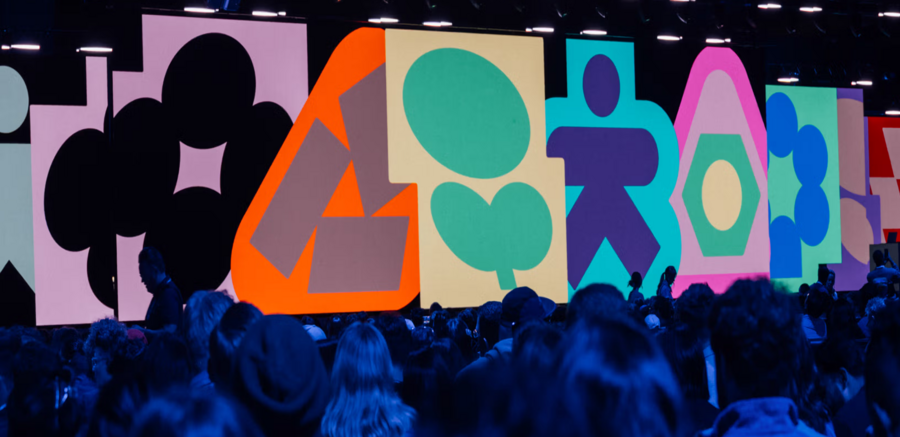
Visual identity for Figma Config 2025
Design as Communication
Design is often perceived as something visual or aesthetic, but in reality it always functions as communication. Every object, interface, or visual system sends messages, whether intentionally or not. When we design, we communicate ideas, values, moods, and instructions long before the user consciously thinks about them.
Designer as a Sender
From the perspective of communication theory, a designer can be compared to a sender of a message. Through color, composition, typography, and interaction, meaning is encoded into a visual form. The user then decodes this message based on their experience, expectations, and cultural background. This process does not happen automatically or identically for everyone.
Encoding and Decoding in Visual Design
Misunderstanding is a natural part of communication, and design is no exception. Visual noise, overloaded interfaces, or unclear hierarchies can distort the message and lead to confusion. Communication theory helps designers understand why something does not work and how meaning can be lost between intention and perception.
Cybernetic Model in Design
The cybernetic tradition defines communication as an information system with feedback. Design today operates exactly this way: — interface sends a signal — user reacts — system adapts This turns design into a dynamic process, not a static object.
Feedback as the Core of Interaction Design
Feedback is what makes interaction feel alive. When an interface reacts to a user’s actions, it confirms that communication has taken place. Small visual responses, animations, or changes in tone help users feel seen and understood, strengthening trust between the system and the person.
Few words about feedback in Figma Community
Socio-Psychological and Socio-Cultural Perspectives
Communication theory also explains why design influences emotions. According to socio-psychological approaches, people react to visual incentives in predictable ways. Colors can calm or excite, shapes can feel friendly or distant, and typography can sound serious or playful. Designers constantly work with these emotional responses, often intuitively. At the same time, meaning is never universal. Socio-cultural theory reminds us that communication depends on context. What feels natural in one culture or daily routine may feel strange in another. Design always exists inside social practices, habits, and expectations formed over time.
Semiotics in Graphic Design
Graphic design strongly relates to semiotics — the study of signs and symbols. Icons, visual metaphors, and color codes replace words and sentences. Through these visual signs, design creates its own language, which users learn to read almost subconsciously.
Medium as a Message
Marshall McLuhan stated: «The medium is the message». This means: — the form of communication shapes meaning — not just what is said, but where and how
Design always communicates through its medium. The media is shaping our reality and our understanding of what’s going on.
2. Communicating the MIRA Concept to a General Audience