Research Concept
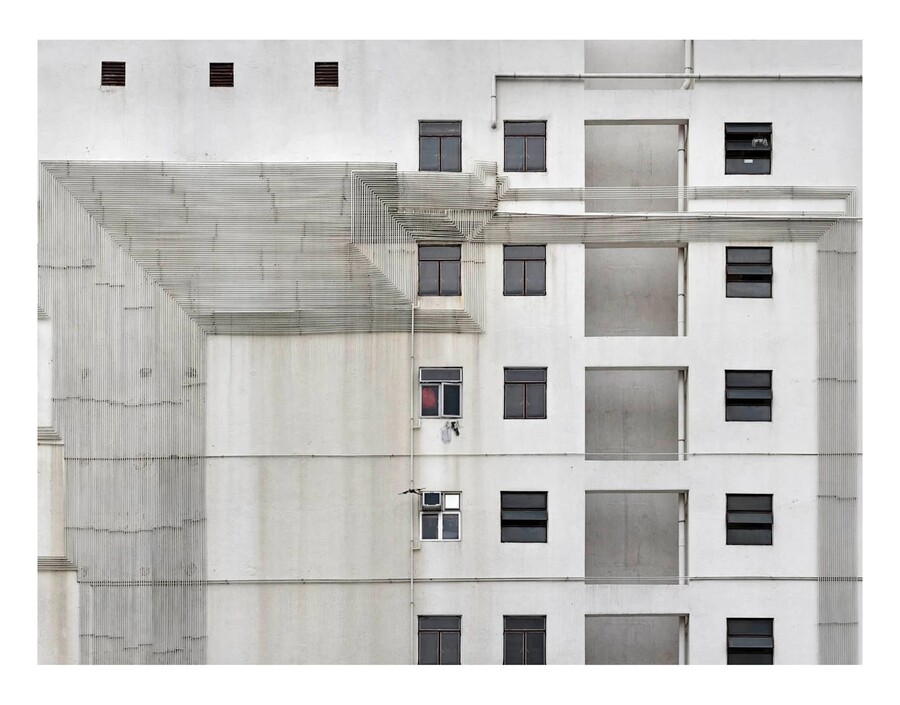
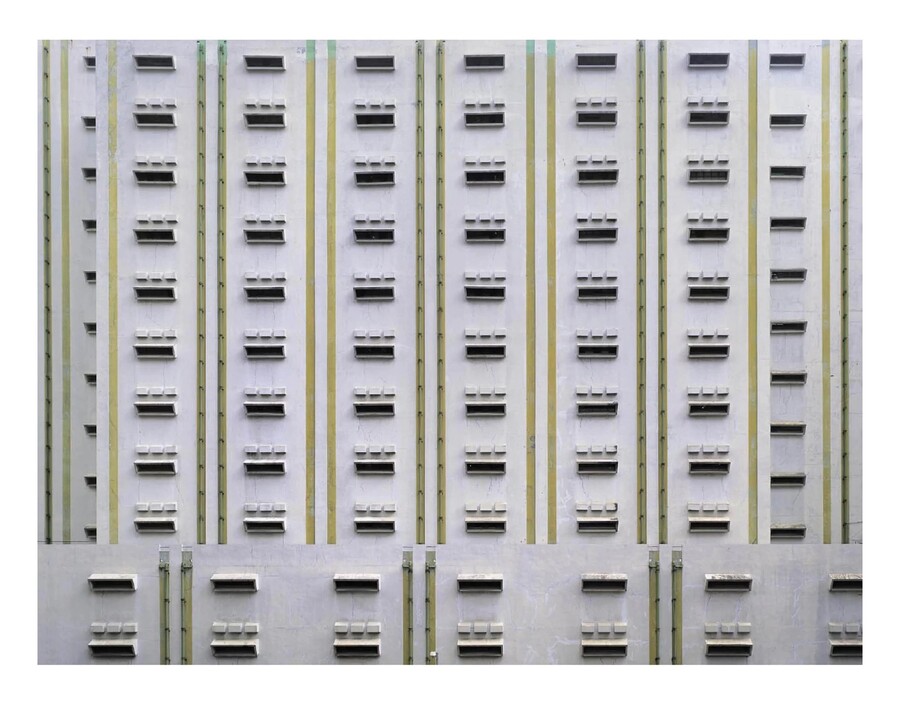
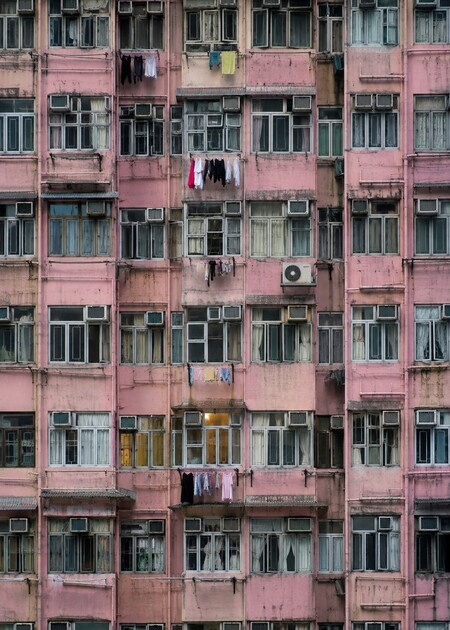
Hong Kong is often represented through high-rise architecture: multi-story residential buildings, dense urban development, and repeating rows of windows. This image underscores the megacity’s scale but tells us almost nothing about how its residents utilize their surrounding space. Nevertheless, the city’s daily life manifests not only in its architecture but also in small details—objects left in alleys, impromptu resting spots, lost clothing, and plants nestled among the urban structures.
In my visual exploration, I draw upon four photo books by Michael Wolff: Architecture of Density Hong Kong, Hong Kong Informal Seating Arrangements, Hong Kong Lost Laundry, and Hongkong Flora. I am interested in how a single photographer depicts one city while shifting the object of observation—from a high-rise façade to an individual object or plant.
Research Question
How does changing the scale and subject of the shot influence the visual portrayal of Hong Kong in Michael Wolff’s photo books?
Hypothesis
In architectural photographs, Hong Kong is perceived as a dense system of repeating structures, within which an individual person is almost indistinguishable.
When shifting to images of impromptu seating, lost clothing, and plants, the city begins to be perceived through daily actions, accidental traces of life, and methods of adapting space.
In this regard, the macro- and micro-perspectives are not entirely opposite: everyday details can be found in the architectural images, while the geometry of the large city is preserved in photographs of small objects.
Michael Wolf: Two Views of Hong Kong
In his works, Hong Kong presents itself as both a massive architectural system and a space for daily life. The photographer pays attention not only to the high-rise buildings but also to the small objects found in the city’s alleyways.
In an interview with CNN, Wolff explained that he is interested in life within megacities. He contrasted two approaches: Architecture of Density showcases Hong Kong from a macro perspective, while Informal Solutions focuses on a micro perspective [1].
This distinction forms the basis of my research. By changing the scale of observation, the photographer alters the human subject’s placement within the city image.
In photographs of residential facades, the human figure is almost imperceptible. However, their presence can be discerned in open windows, hanging laundry, and other domestic details.
In the photos taken from city alleys, the situation is changing. The main subjects become objects through which human actions are manifested: chairs, clothing items, and plants. Thus, the same city can be viewed both as a system of architectural structures and as a space of small, everyday changes.