TABLE OF CONTENTS
1. Concept
2. Fragility as the «Right to Risk»
3. The Illusion of Eternity and Sheen
4. Renouncing Function for Aura
5. Overcome Fragility as a Symbol of Technological Power
6. Synthesis: A Unified Mechanism Across Different Eras
7. Conclusion
8. Bibliography
Research Concept
Rationale for Topic Selection
In the conventional sense, good product design should be reliable, convenient, and durable. If an object is easily broken or damaged in everyday life, we usually view this as an engineering oversight. However, the history of material culture constantly challenges this logic.
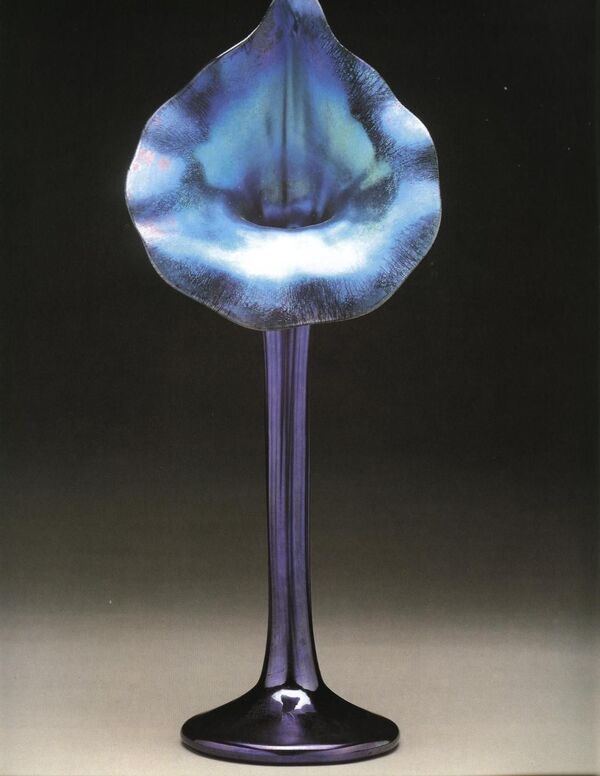
Glass—one of the most fragile and temperamental materials—has remained a language of luxury, power, and high status for centuries: from the finest Venetian goblets of the Renaissance to the modern all-glass furniture from Italian factories like FIAM and Glas Italia. Moreover, this isn’t limited to glass. The perception of bone china, impractical ceremonial clothing, or contemporary smartphones housed in glossy glass casings operates on the same principle. This contradiction became the impetus for this research: we want to understand why, in the high-end market segment, design does not attempt to eliminate material vulnerability but rather elevates it to a primary characteristic and a concealed social function.
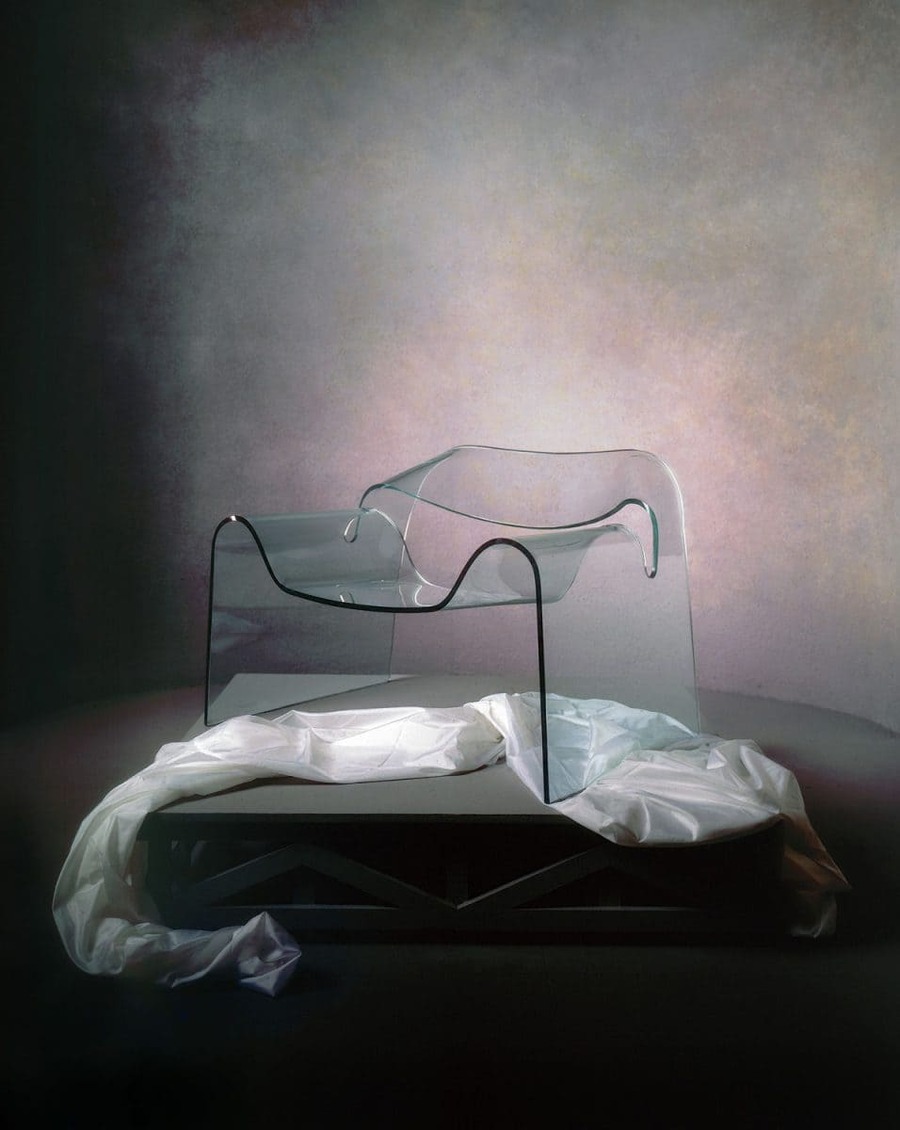
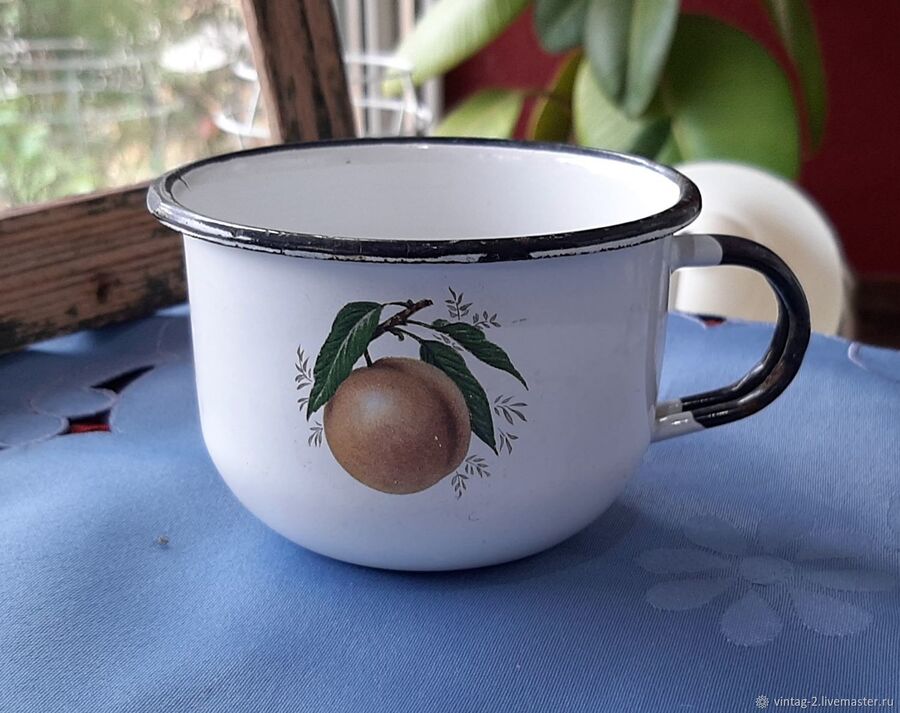
Vintage enamel mug «Apricot.» USSR | Ghost chair by Fiam Italia, Cini Boeri, 1987
The core research question is: why has the brittleness of materials been reproduced as a sign of high status from century to century, and what factors are causing this mechanism to change in contemporary design?
The hypothesis is that the prestige of delicate objects rests not on the rarity of their materials (glass is currently inexpensive and accessible to everyone) nor on some universal beauty. It is rooted in social distance. If one recalls the ideas of economist Thorstein Veblen on how people display affluence through intentionally impractical expenditures, then fragility proves to be a signal of superfluity built into the object itself. The owner of an item requiring careful handling and a calm, protected environment thereby demonstrates that they are far removed from manual labor and can afford the risk of accidentally breaking an expensive object.
In our time, this social motive has not disappeared, but a technological one has been added. In the case of glass tables or ultra-thin gadgets, status is created not through the fear of loss, but through the demonstration of mastery over the material: engineers and designers prove that they can tame an unreliable substance and make it bear a serious load.
Principles of Research Structuring
To prevent the research from becoming a linear historical recounting of the evolution of a single material, its structure is built not chronologically by centuries, but by four stages of the fragility mechanism’s own transformation.
The first section addresses fragility as a «right to risk» and a method of authentication (Venetian glass from the 15th–17th centuries in parallel with porcelain and impractical costume).The second section examines the illusion of durability and luster, where brittle materials imitate precious stones (Bohemian crystal from the 18th–19th centuries and its contemporary interpretations).The third section explores the moment of relinquishing utilitarian function in favor of authorial aura (works by Emile Gallé from the Art Nouveau period alongside modern collectible design).The fourth section analyzes overcome fragility as a symbol of technological power (bent glass from FIAM and Glas Italia juxtaposed with smartphone casings and architecture).The work concludes with a visual synthesis block, where historical and contemporary objects are combined into diptychs, allowing for a clear documentation of the driver shift from «demonstration of risk» to «control of risk.»
Material Selection Principle for Visual Research
Since the core argumentation of the work is built through imagery, the visual selection is based on principles of comparison and contrast. The research includes only objects where the material’s vulnerability directly influences form and price: museum specimens from Murano and Bohemia, designer vases from the turn of the 19th–20th centuries, catalog photography of contemporary glass furniture, as well as parallel examples from the worlds of fashion, porcelain, and gadgets. For illustrative purposes, everyday utilitarian items are placed alongside them.
Principles for Selecting and Analyzing Textual Sources
The texts used in this work are not intended for simple recounting, but rather to verify and support visual observations. All sources are divided into three groups:
The first group consists of studies in sociology and consumption theory (primarily the works of Thorstein Veblen), which help explain the deep-seated causes of a phenomenon.
The second group includes research on the history of decorative and applied arts and industrial design, providing necessary historical context.
The third group comprises primary sources: historical chronicles, ironic remarks from contemporaries (such as Oscar Wilde’s famous quote about Emile Gallé’s vases), and interviews with the designers and producers themselves—Vittorio Levi, Marcel Wanders, and Patricia Urquiola.
By juxtaposing these texts with real-world objects, one can see how authors and consumers of different eras explained the value of fragile items.
Fragility as a «right to risk» (Venetian glass of the 15th–17th centuries in conjunction with analogous phenomena—Chinese and Meissen porcelain, impractical formal attire; the logic of conspicuous consumption)
The Illusion of Eternity and Brilliance (18th–19th Century Bohemian Crystal and Its Modern Descendants—How Fragile Material Mimics Precious Stones and «Pretends» to Be Durable)
The Illusion of Eternity and Brilliance (Bohémian Crystal of the 18th–19th Centuries and Its Modern Heirs—How a Fragile Material Mimics Precious Stones and «Presents Itself As» Durable)
Overcoming fragility as a symbol of technological power (FIAM and Glas Italia bent structural glass paralleling the glass casings of modern smartphones and architecture—status is no longer built on the fear of breakage, but on the demonstration of control over the material)
Synthesis: a unified mechanism across different eras (Visual Diptychs and the Driver Transformation Schema: from «I can afford to break it» to «I can tame the impossible material»)
Conclusion
Bibliography