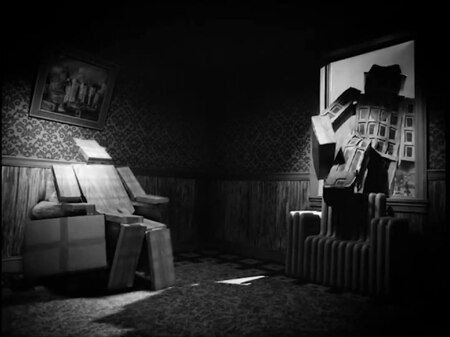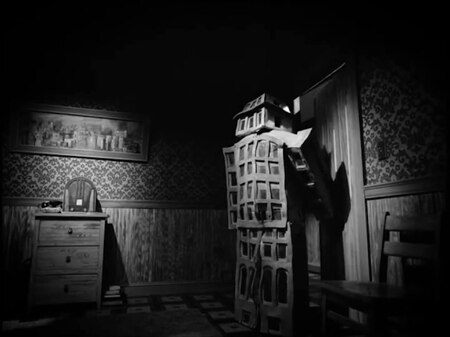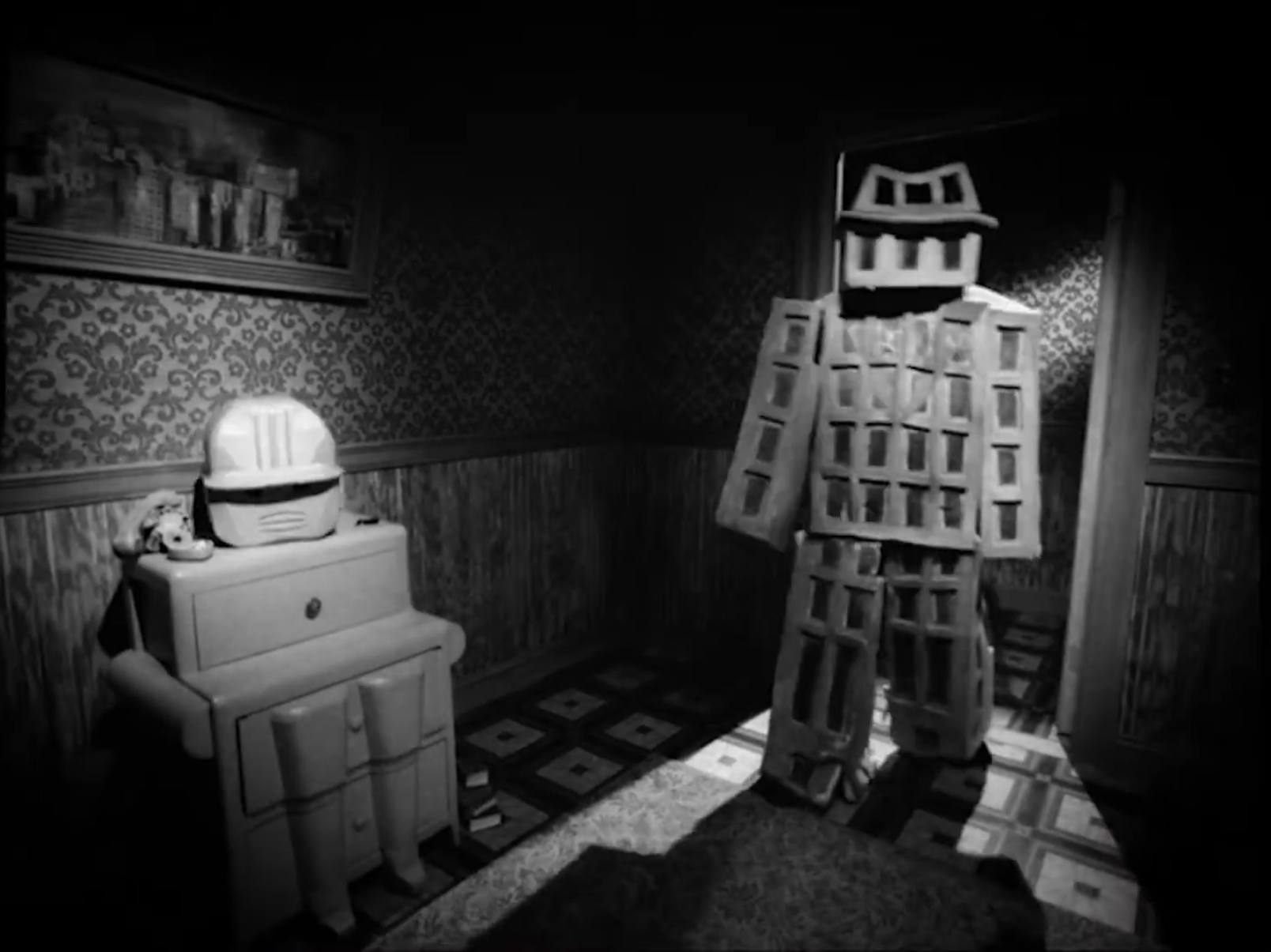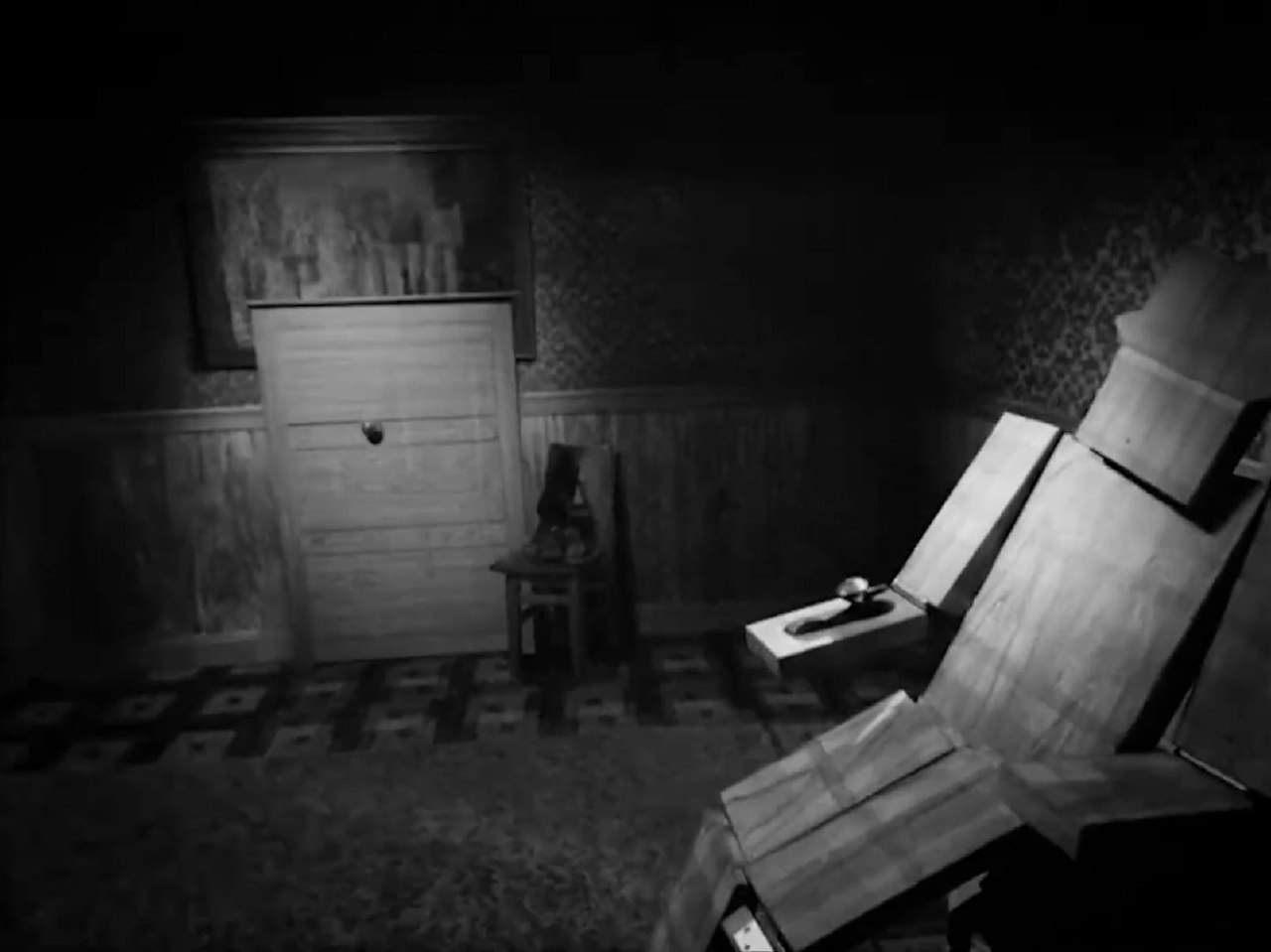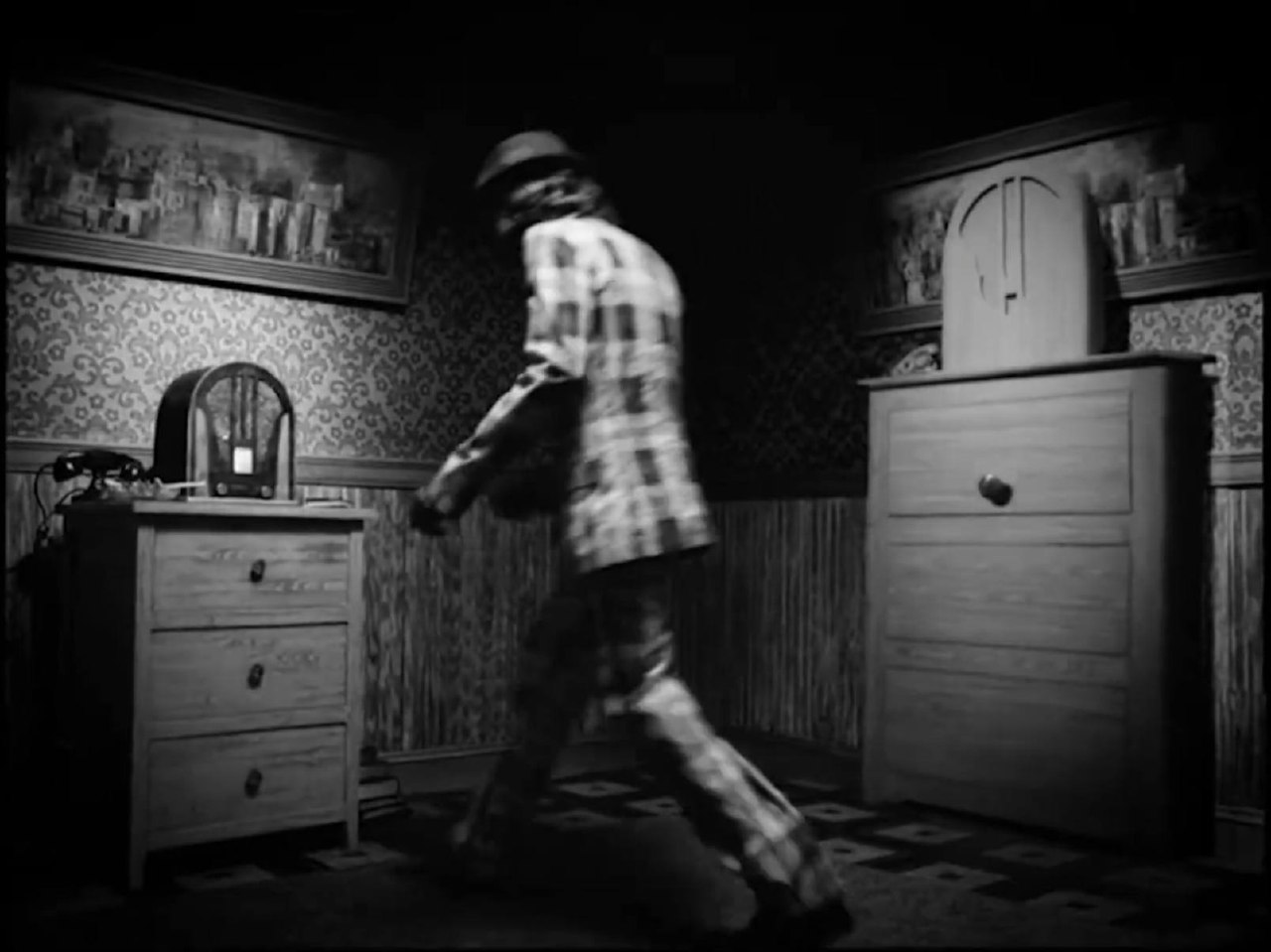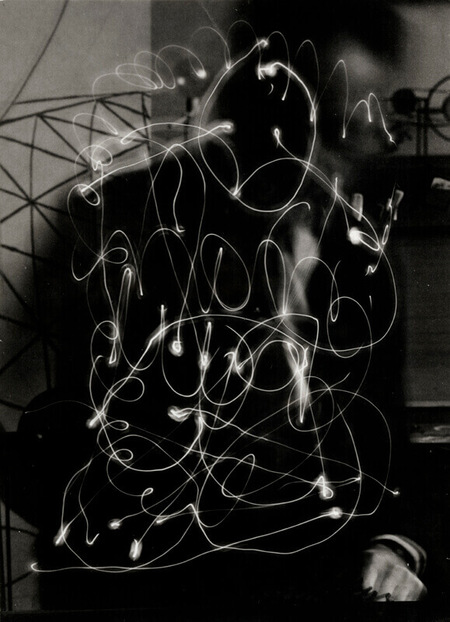
Michel Gondry is a French director, screenwriter, and artist known for his unique approach to visual work. A significant portion of his creative output consists of music videos, where he experiments with editing, space, form, and the very perception of what is unfolding.
Navigator
1. Concept.
2. Sleep Logic.
«To materialize the images of my specific irrationality…» — Salvador Dalí.
Michel Gondry is a French director, screenwriter, and artist renowned for his unique approach to visual work. A significant portion of his creative output consists of music videos where he experiments with editing, space, form, and the very perception of what is unfolding. Gondry’s work is characterized by unconventional visual techniques: characters replicate and interact with their doubles, familiar objects take on unexpected scale or change their function, and space is in constant flux. The events do not always unfold linearly and often adhere to the logic of dreams or fantasy. Notably, many of these effects are created not through computer graphics, but through practical stunts, hand-crafted set pieces, optical illusions, and editing.
The characteristic features of Gondry’s visual language allow his work to be considered within the context of surrealist art. The surrealist movement formed in the first half of the 20th century and aimed to explore the subconscious, dreams, random associations, and irrational connections between images. Artists strove to move away from the conventional, rational view of the world and find ways to represent a reality governed by different laws.
Surrealist artists transformed the familiar world through metamorphoses, disruption of scale and perspective, dream logic, automatism, free association, hybridization, the juxtaposition of incompatible objects, the creation of double images, and the depiction of impossible spaces. The primary material examined consists of works by artists associated with the Surrealist movement: René Magritte, Salvador Dalí, Max Ernst, Joan Miró, Yves Tanguy, Leonora Carrington, and Hans Bellmer. Particular attention is paid to Surrealist experiments in cinema—the films of Luis Buñuel and Salvador Dalí, Germaine Dulac, and Man Ray. Engaging with these works is necessary to trace how Surrealist methods manifested not only in painting and photography but also in early experiments with moving images. These methods find visual parallels in the music videos of Gondry, where reality too becomes mutable, unstable, and subject to unusual laws.
«To systematize confusion and thereby contribute to the complete discrediting of the world of reality» — Salvador Dalí.
The topic selection stems from an interest in how the principles of surrealist art continue to exist within contemporary audiovisual spaces. Particular significance is placed on the transition from static imagery to movement: if Surrealists created impossible worlds through painting, photography, and objects, Hondri utilizes cinematic tools.
Gondry’s visual language can be seen as an evolution of several surrealist techniques within music video. Despite differences in historical and artistic contexts, his clips feature similar methods of transforming reality: disrupting the conventional logic of space and time, altering the properties and scale of objects, deforming the human body, and introducing doubles and alternative realities. At the same time, Gondry does not so much appeal to a pre-existing surrealist aesthetic as he reinterprets its possibilities through cinematic means—using editing, practical effects, repetition, optical illusions, and set transformation.
This research aims to identify common visual devices in the works of Surrealists and the music videos of Michel Gondry, as well as to study how these devices are transformed and take on new expressions in contemporary music videos.
The Logic of Dreams.
Surrealists sought to convey the logic of dreams, where the usual connections between objects, people, and events cease to function. Space and time lose their stability, and transitions between images occur through association rather than the laws of the real world. It is the conjunction of seemingly incompatible images and situations.
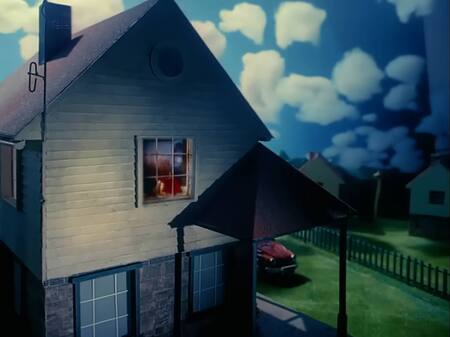
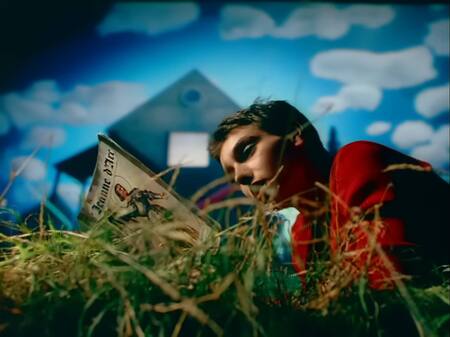
Stills from the music video for «Fire on Babylon» by Sinead O’Connor, directed by Michel Gondry, 2012.
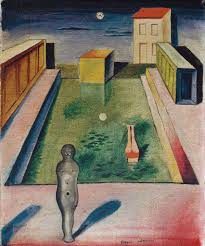
This principle is particularly evident in the works of Salvador Dalí and Max Ernst. The artists frequently referenced dream imagery, creating scenes where familiar objects and figures appeared in unusual combinations, altered their properties, or existed in irrational situations.
Max Ernst, «Immersion in Water,» 1919.
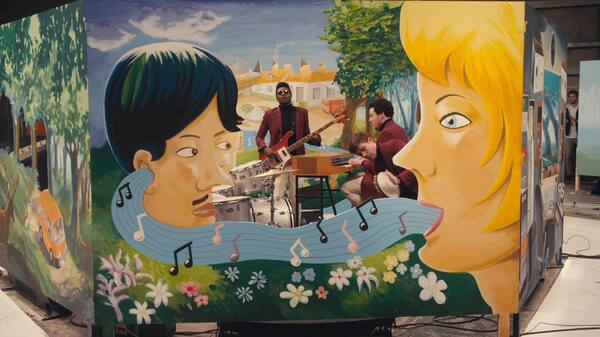
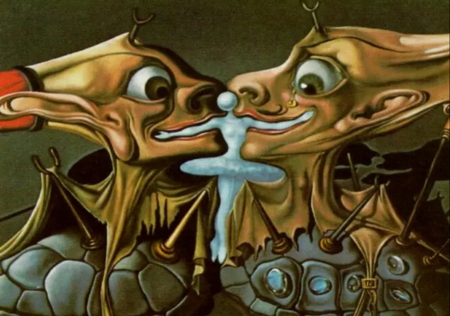
1. A still from the Metronomy music video «Love Letters,» directed by Michel Gondry, 2012. 2. Salvador Dalí, Sketch for «Destiny,» 1947.
Salvador Dalí, Sketch for «Destino,» 1947
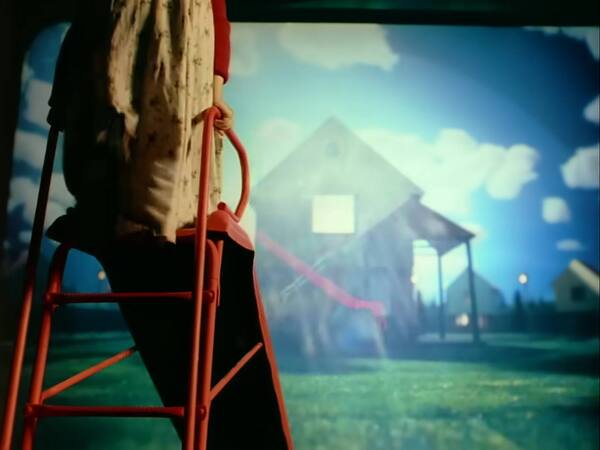
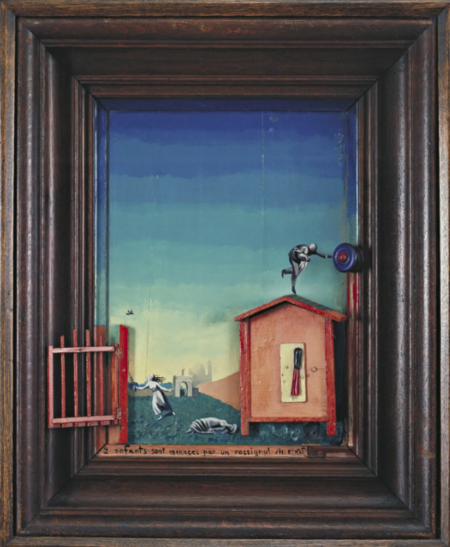
1. Frame from the music video Fire On Babylon by Sinead O’Connor, dir. Michel Gondry, 2012. 2. Marc Ernst, «Two Children Frightened by a Nightingale, ” 1924.
In Gondry’s clips, the logic of dreams is built upon disrupting the conventional connections between the person, objects, and the surrounding space.

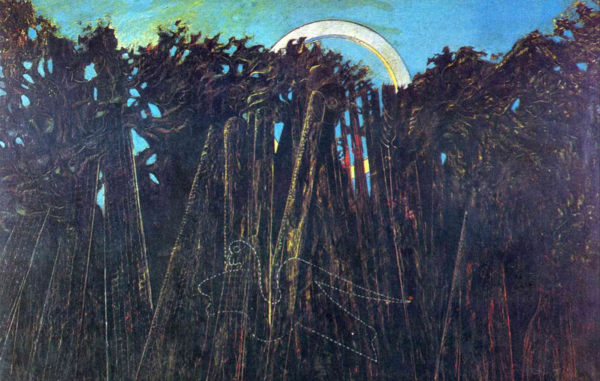
1. Stills from the Björk music video — human behavior, Dir. Michel Gondry, 2012. 2. Mark Ernst, «Embalmed Forest,» 1933.
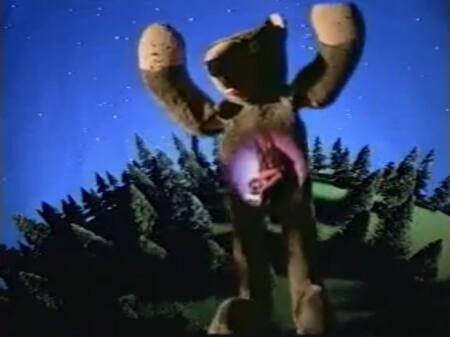
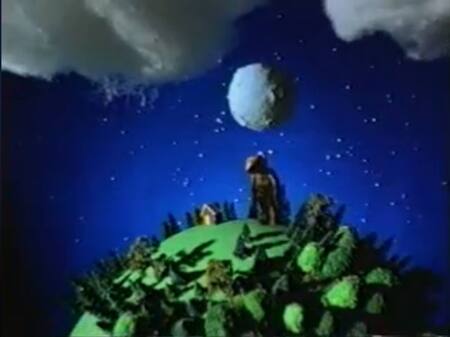
Stills from the Björk music video «Human Behavior, ” directed by Michel Gondry, 2012.
In the music video for björk’s «Human Behaviour,» a giant stuffed bear attacks a hunter, and fairy-tale and everyday imagery coalesce in a space reminiscent of a child’s dream.
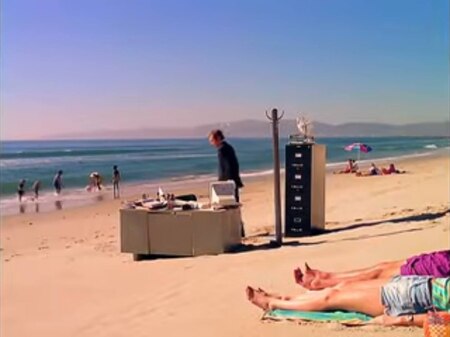
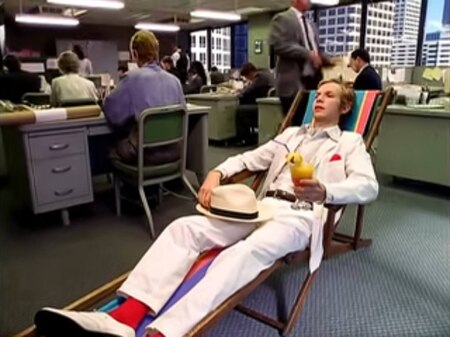
Stills from the music video for Beck’s «Deadweight,» directed by Michel Gondry, 2012.
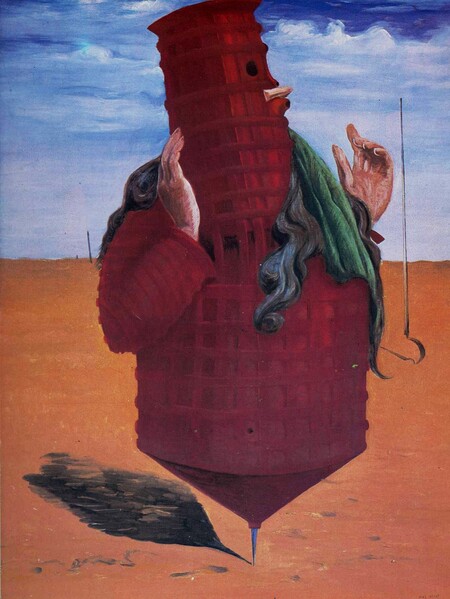
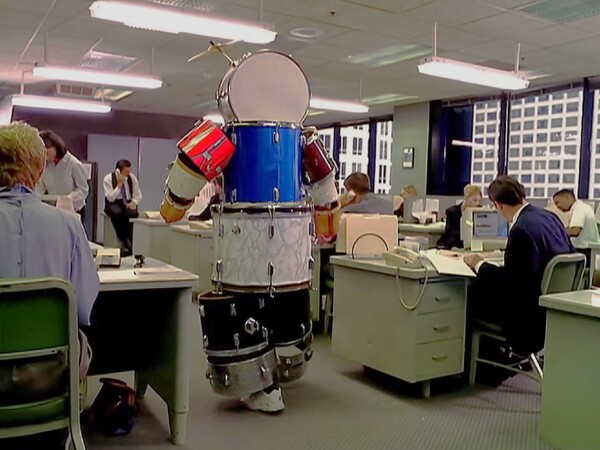
1. Max Ernst, «Emperor Gobbo, ” 1923. 2. Still from the Beck music video — Deadweight, directed by Michel Gondry, 2012.
Gondry disrupts the conventional links between objects and actions: Beck works at an office desk on the beach, his shadow moves independently and pulls him along, and his shoes seem to begin leading the protagonist. The office and the beach swap functions, and the absurdity is built not on a random collection of images, but on inverting familiar situations.
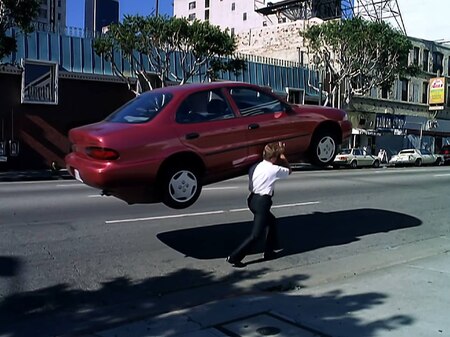
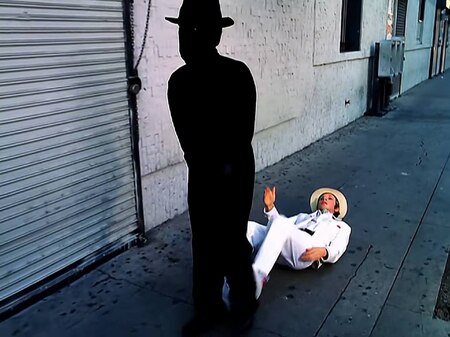
Stills from the music video «Deadweight» by Beck, directed by Michel Gondry, 2012.
Scaling and Distortion of Proportions.
In surrealist art, manipulating scale allowed artists to disrupt conventional relationships between the human figure and its surrounding space. The human form could be depicted as disproportionately large or small in relation to objects and architecture. This technique lent the familiar environment a surreal and absurd character.