Concept
Animation, as a phenomenon, has eternally given rise to an ontological paradox in the viewer’s consciousness. After all, things that cannot be endowed with life—be it a line or a physical object—come alive once the animator begins to move them within the frame’s space. This paradox achieved a particular intensity in the 20th century, when works featuring entirely fabricated characters coexisted with cartoons where the characters could be composed of genuine organic matter. Preserved insects, animal taxidermies, real fur, bones, and skeletons—all of these were viewable on screens by audiences of the last century.
«Like any artistic material, this initial mythology can be shifted, used in its original form, or completely overcome. Material never predetermines the content of a work, but it is always significant and, entering into a relationship with the entire artistic structure of the text, it becomes a fact of art.»
— Yuri Lotman, from the study «Puppet in the Culture System, ” 1978.
But what problem were the creators trying to solve when they chose precisely this material? Why did taxidermy and its derivative approaches become the key to realizing their ideas? More importantly, how did the artistic function of real biological remains transform in 20th-century stop-motion animation—shifting from a means of perfect life imitation to a medium for demonstrating death and decay? I will attempt to answer these questions in my visual research.
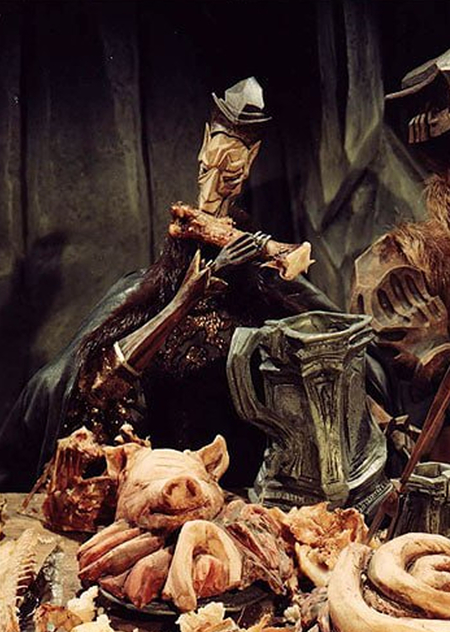
From the vast cinematic diversity of the 20th century, works were selected that simultaneously feature biological remains of animals on screen while possessing artistic significance to the history of world animation—demonstrating various ways to utilize this unusual «technique.» Thus, the study will cover both films that use organic material as a decorative tool and films where the incorporation of organic elements is directly dictated by the narrative conception.
The research is structured around a chronologico-conceptual principle and divided into three sequential chapters, each focusing on a selection of films by specific directors. Each chapter will present a distinct principle explaining how taxidermic aesthetics functions within their narratives. In addition to personal observations made during viewing, a bibliography will be utilized, incorporating film history and criticism studies as well as directors' manifestos and interviews. This approach will substantiate the work not only with subjective conclusions but also with factual insights into the production process, making the research more representative.
Entomology as the Illusion of Life
Taxidermy as a method of merging the living and the dead
The Aesthetics of the Uncanny Through Organic Display
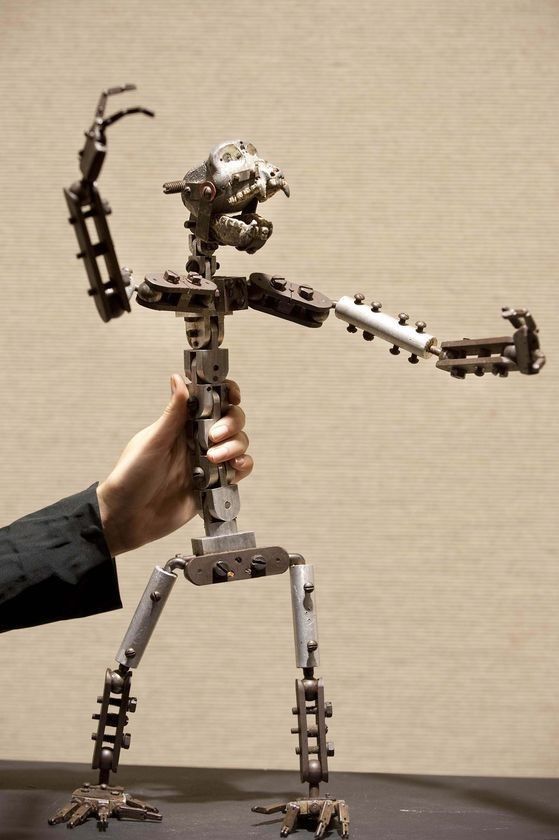
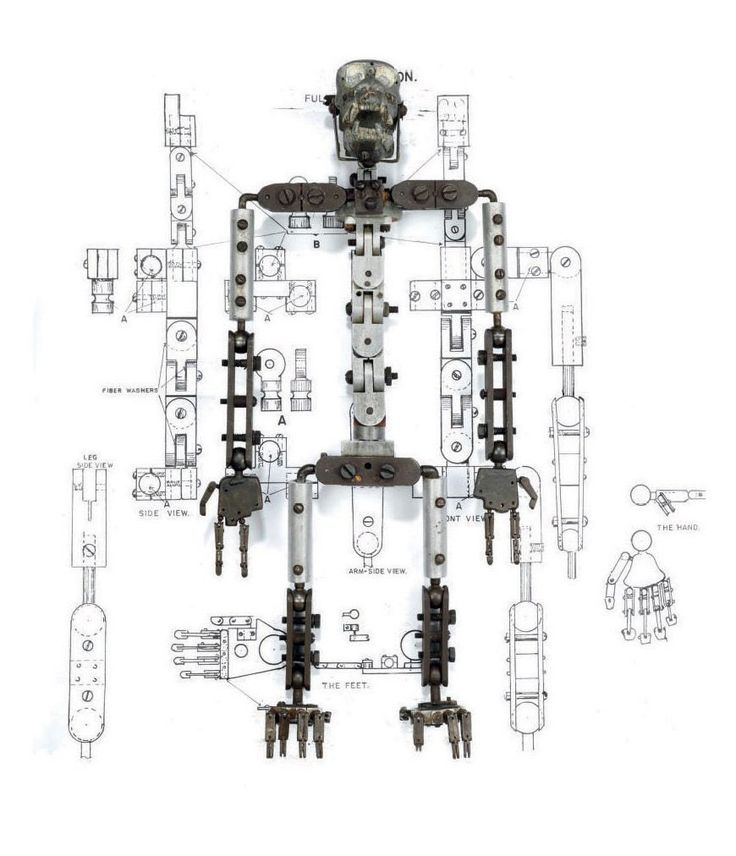
Prototype of King Kong doll’s internal structure and the mechanism created from it for the 1933 film.
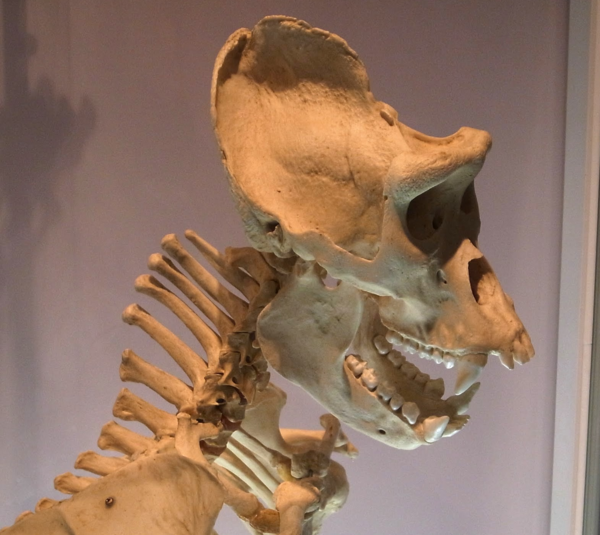
A comparison of the exterior appearance of King Kong’s head structure from the 1933 film with the skull of a real gorilla from the Zoology Museum at the University of Reading.
Example joints for King Kong’s arm. 1933.
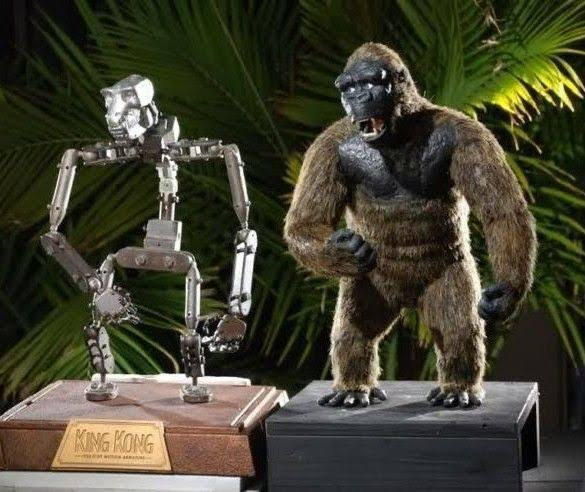
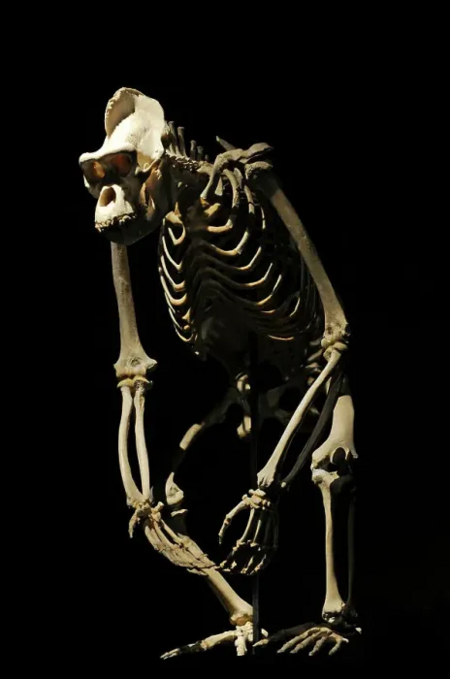
A comparison of the structure of the King Kong puppet from the 1933 film and the gorilla skeleton from the Natural History Museum in Berlin
Willis Harold O’Brien working on one of the puppets for the film «King Kong»
Merian Cooper, Ernest Shodsdak. «King Kong.» 1933.
A diaphragm was also built into King Kong’s chest to allow it to expand during filming and create the illusion of breathing.
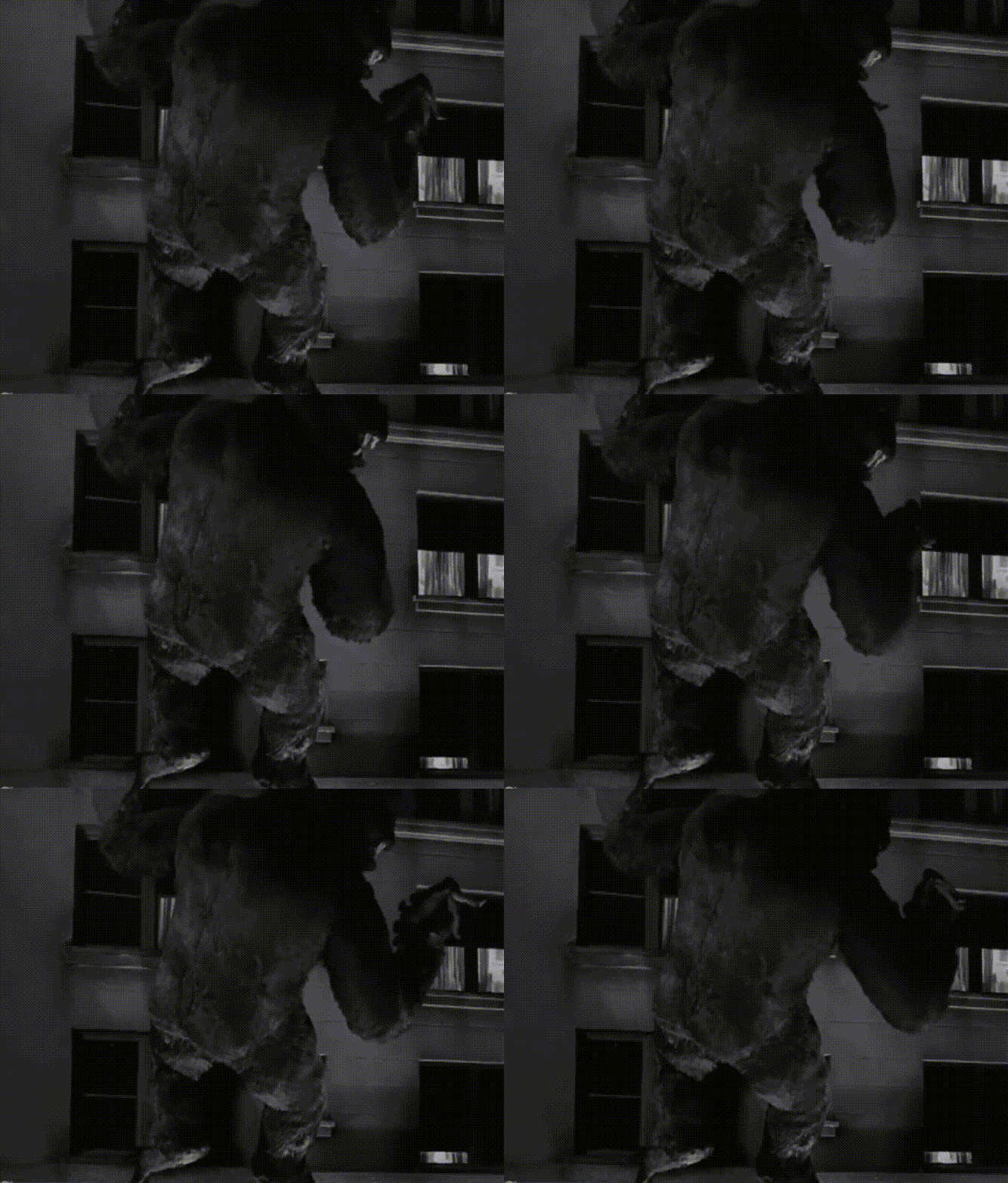
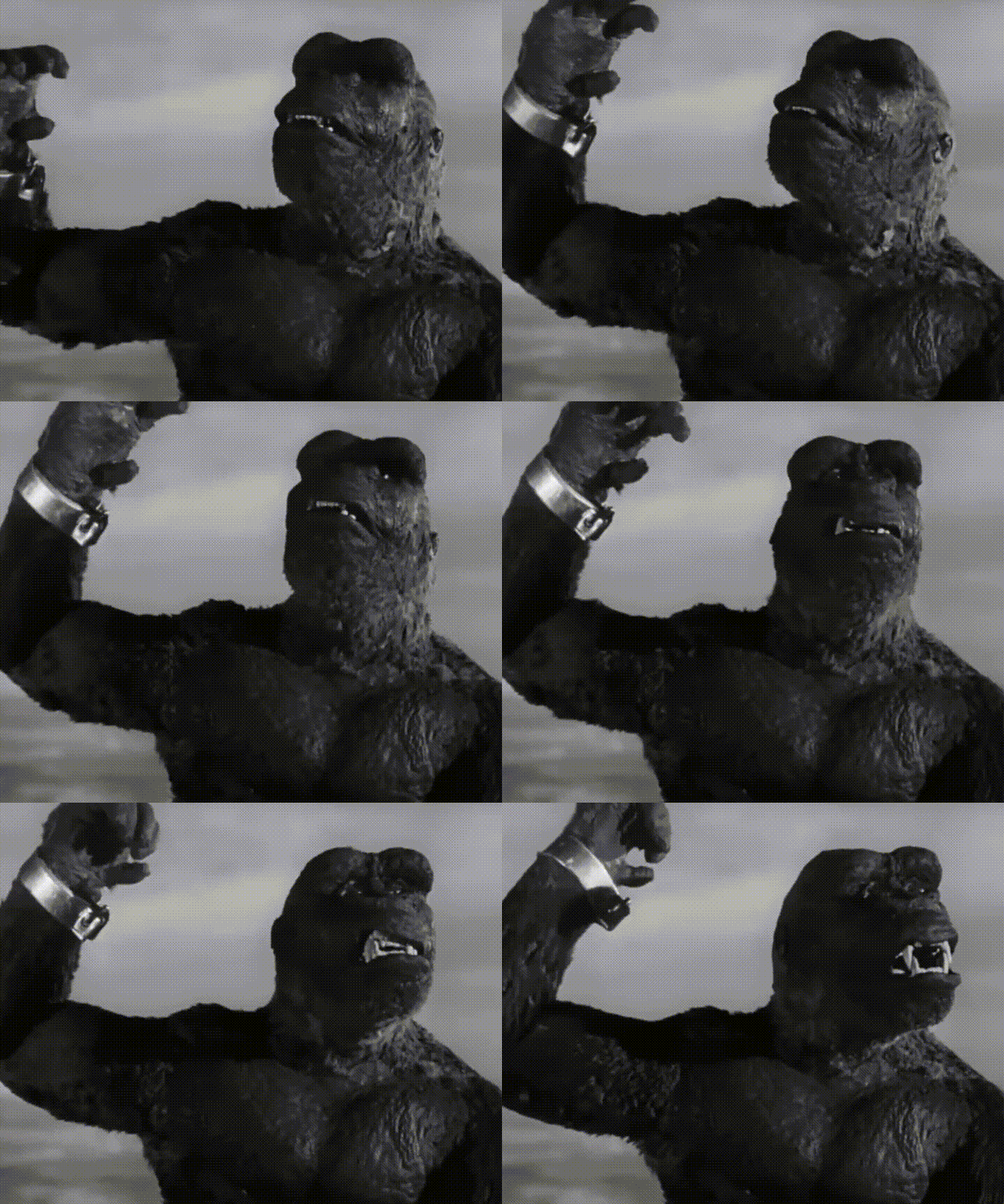
Merian Cooper, Ernest Shotzak. «King Kong.» 1933.
In some shots, the fur began to move spontaneously because the effects artist, Willis O’Brien, shifted the puppet in the frame. Although this was a production flaw, critics received this defect warmly, believing the fur on Kong’s body was bristling for the sake of realism.
Conclusion
Thus, by tracing the evolution of taxidermic aesthetics in 20th-century animation, one can observe shifts in the perception of materiality and corporeality. While the work of the first third of the century was characterized by attempts to conceal the artificiality of the puppet and thereby create an illusion of life, the work of the second half of the century was saturated with traumatic historical experience and utilized specimens and organic matter as a demonstration of flesh’s fragility. Nevertheless, despite the fundamental differences in the work of these two periods, they share one commonality—cinema, in both contexts, functions as a multifaceted way to animate the inanimate on screen.
Lotman, Yu. M. Dolls in the Culture System // Lotman, Yu. M. Selected Articles: Vol. 3. — Vol. 1: Articles on Semiotics and Culture Typology. — Tallinn: Aleksandra, 1992. — pp. 377–380.