RUBRICATOR
- concept
- this is me.
- where do I stand?
- where do I put my hands?
- it
- seems I’ve seen this before
- is it necessary to go there?
- conclusion
CONCEPT
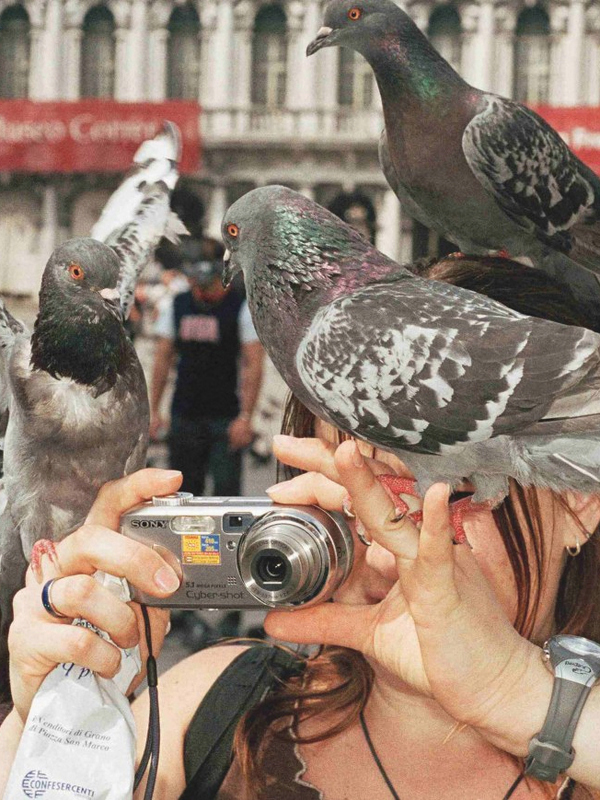
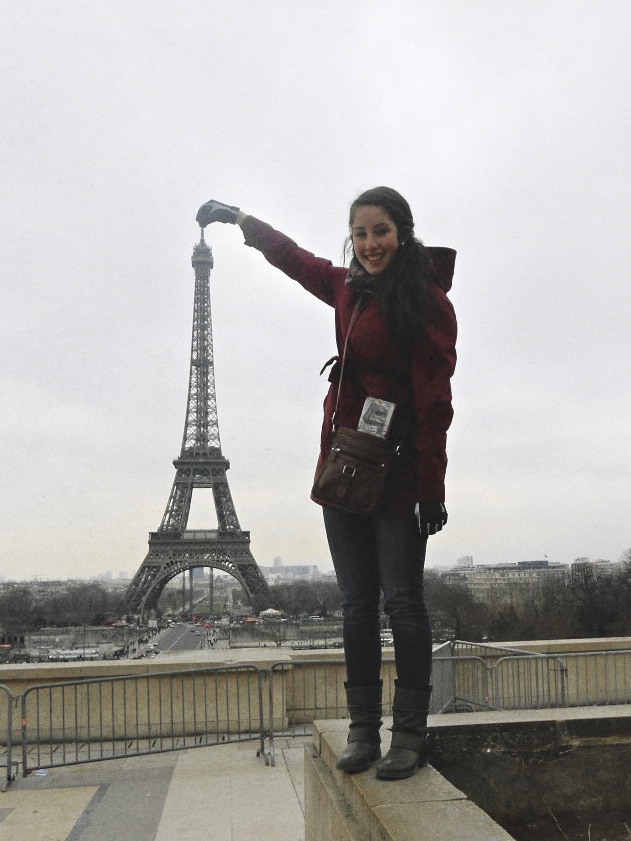
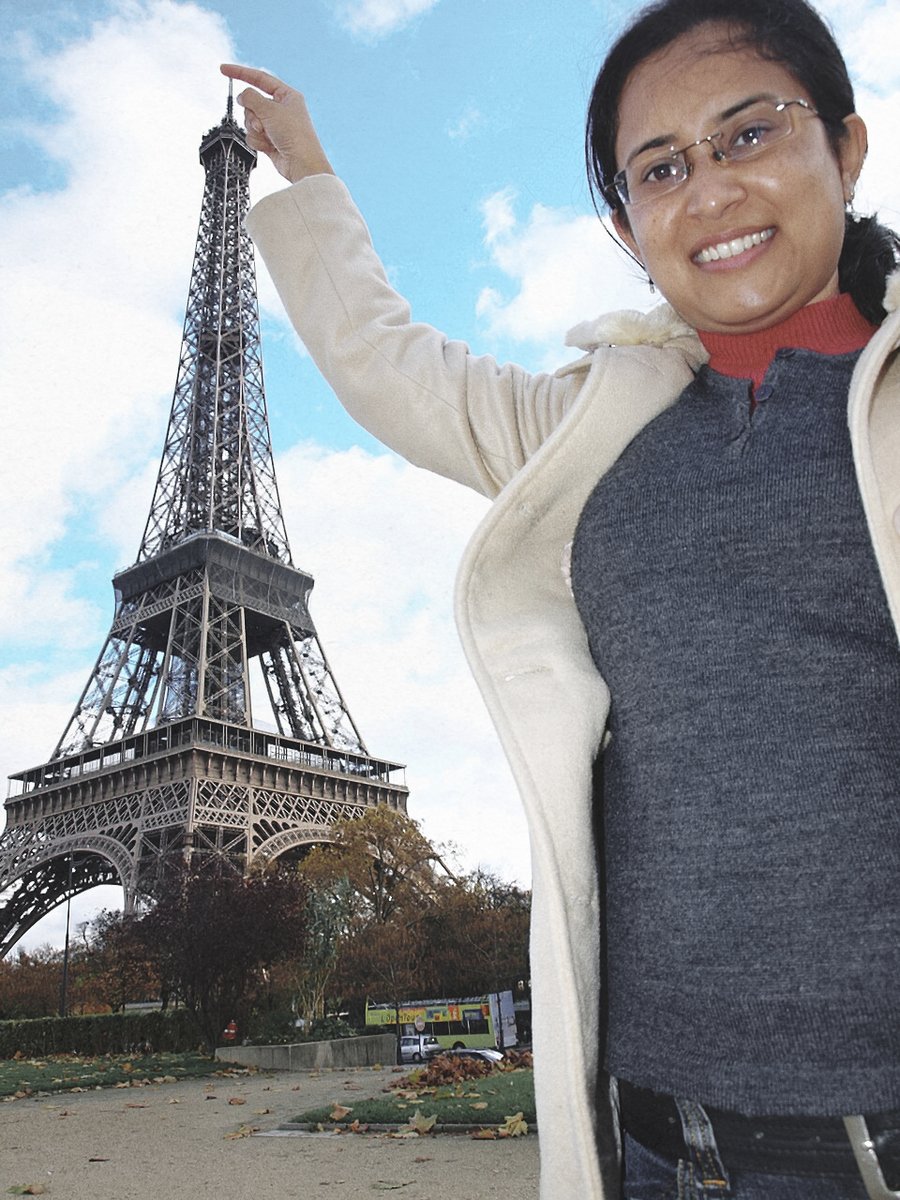
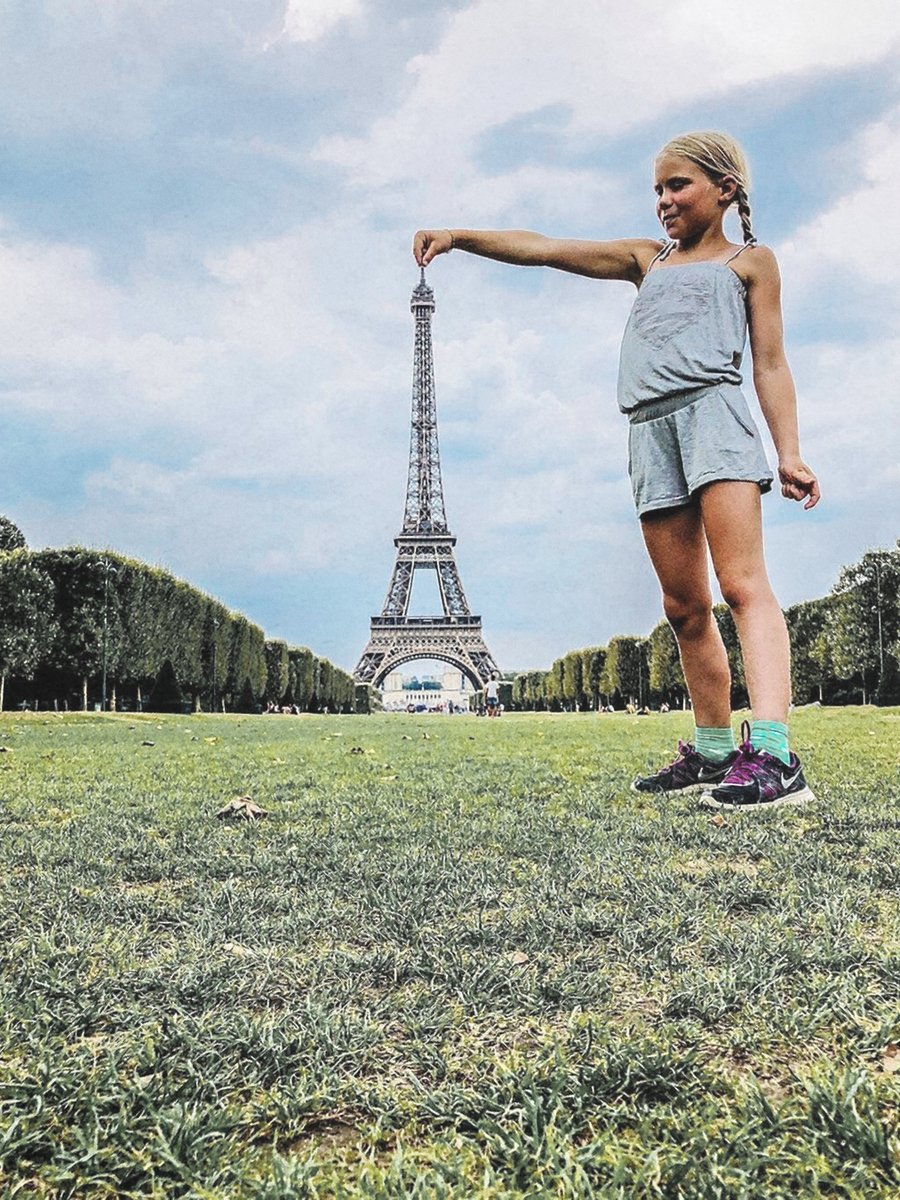
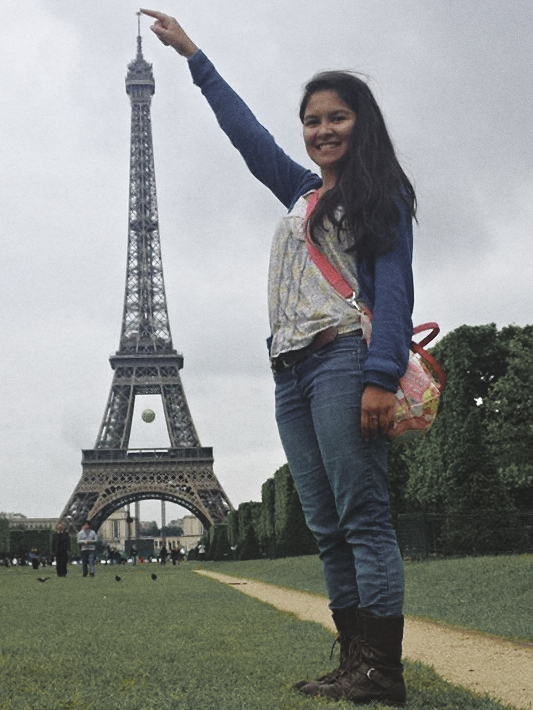
Thousands of strangers photograph themselves against the backdrop of the same landmarks. They arrive in different years, for various reasons, with different appearances, ages, clothing, and photographic experiences.Yet, the shots they create often turn out to be surprisingly similar. Angles, compositions, poses, and gestures are repeated. Sometimes it feels as if we are looking at the same photograph, only with the person swapped out. This observation was the starting point for my visual research.
Why do people take pictures while traveling?
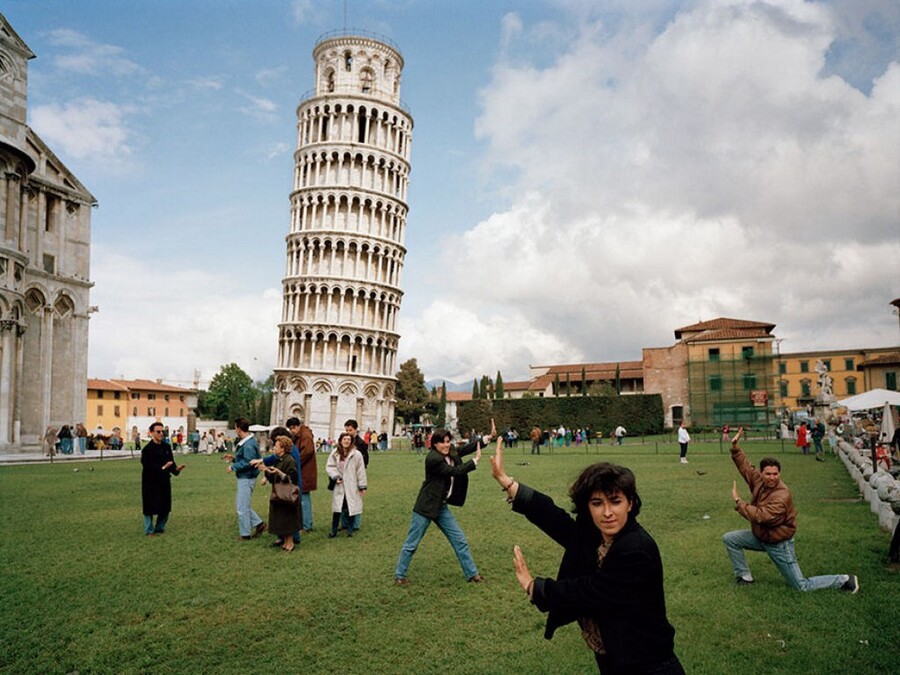
Martin Parr, 1990
Susan Sontag writes in her book On Photography: «Photographs will be irrefutable proof that the trip took place» [1]. A tourist photo becomes a way to record one’s own presence in a specific location, preserve the memory of a trip, and share it with others—in a sense, to claim that place as one’s own.
But if this photograph is about a person’s travel experience to them, to an outside observer, it may turn into just one part of a vast series of similar images. This suggests that different people «appropriate» the same place using similar visual techniques that seem unchanged across decades.
This gives rise to the study’s title, «I Was Here.» It is reminiscent of a signature left to mark one’s presence—only here, instead of a signature, there is a photograph.
I’m curious how far this resemblance goes. Is it only the concept of the photo that aligns, or is the framing structure itself being replicated? Can we identify several recognizable types of tourist photography? And does the specific location influence the angles, poses, and compositions people choose? What if each type has its own set of «ideal» shots—isn’t it time to put up a guidebook nearby: where to stand, where to point the camera, and how to position your hands?
The research will be based on a visual typology of tourist photography.I am collecting photos taken by different people across different years of the same landmarks, and grouping them into series based on similarities in angle, composition, scale, figure placement, and gestures. I then compare these series using collages, grids, and overlays—both within a single location and across different landmarks.I hypothesize that tourist photographs form established visual clichés. However, some framing techniques may repeat regardless of location, while others may be defined by the specific characteristics of a particular landmark.Furthermore, the similarity of photographs does not imply a similarity of personal experience. It is impossible to reliably determine a person’s motives or the significance of a photograph to their memories from the image alone. Therefore, I am primarily investigating how human presence is visually represented.
My work draws upon research in photography and tourism practices, as well as artistic projects built around serialization, typology, and the comparison of found imagery. The theoretical sources help me examine the functions of tourist photography, while the artistic practices allow me to explore how the repetition of images becomes apparent through their juxtaposition.
<sup name, author, date text.
CONCLUSION