Original size 1024x1536

Defect of presence

PROTECT STATUS: not protected

Contemporary visual culture is oriented toward the ideal video frame: stabilized, controlled, and cleansed of contingency and bodily presence. Anything that points to the person behind the camera is perceived as interference and subject to elimination. Perfection is achieved at the cost of the operator’s disappearance.

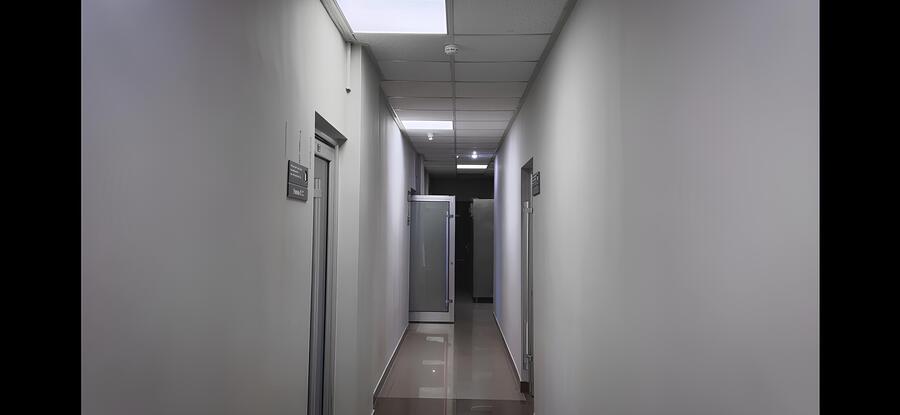
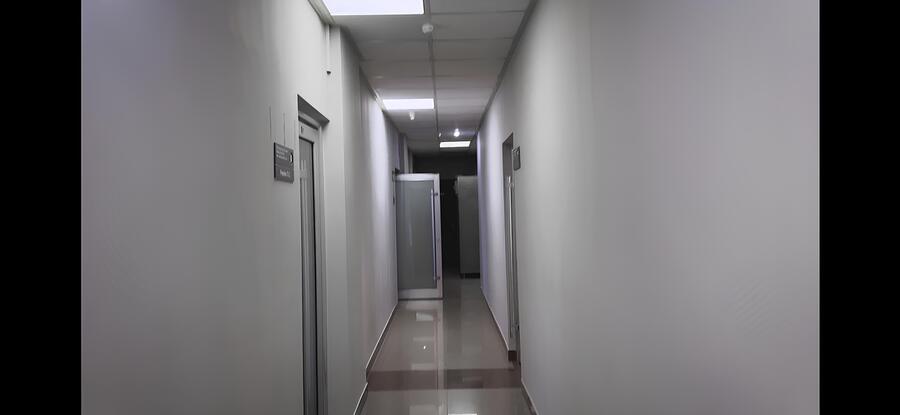
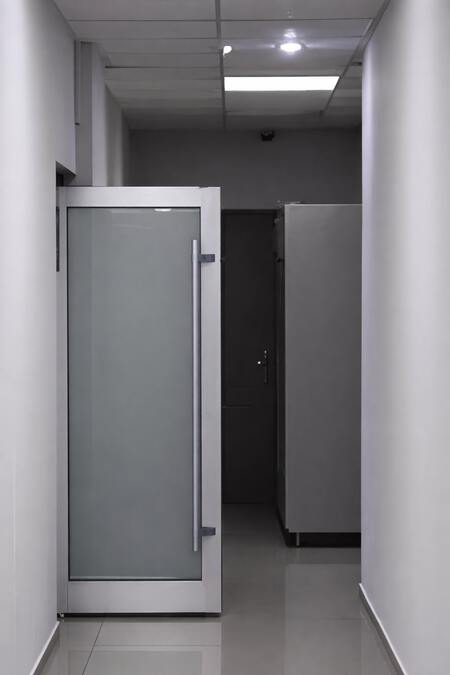
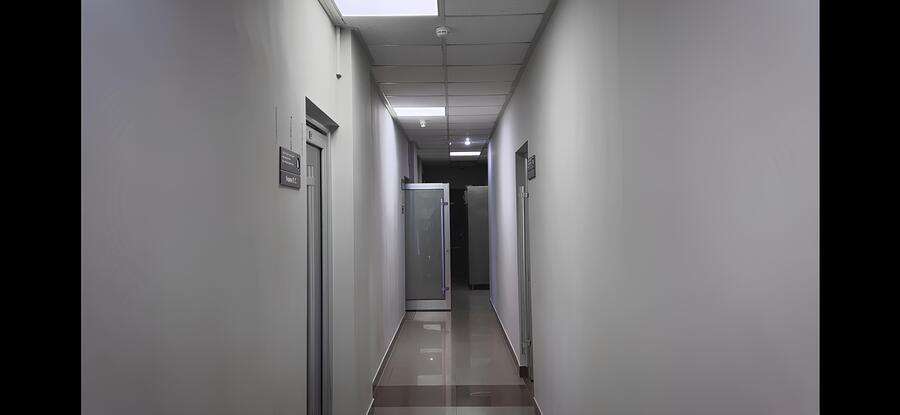
The work presents a symmetrical, calm, and visually «correct» video frame. The corridor functions as a clean, neutral, transitional space. Open and closed doors create a sense of possible directions. However, the camera follows none of them and remains fixed. Human presence is not revealed through an image, but through video as a process: micro-movements, breathing, and bodily tension.

The work is structured around holding the frame. The absence of events is a deliberate gesture that allows the viewer to share this state. The longer the video lasts, the more acutely the viewer becomes aware of their own body breathing, fatigue, and the desire to move. Gradually, the distinction between operator and viewer dissolves.

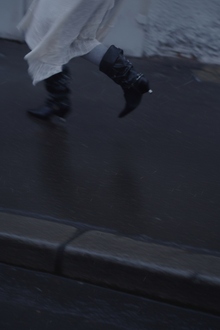
The appearance of a passing figure disrupts this mode. At the moment of external action, breathing ceases and attention fully shifts toward the event. It seems as though the passerby is the operator and that the video is approaching its logical conclusion. However, this impression proves false: the event offers no resolution, and the video continues, intensifying exhaustion and the emptiness of waiting.

This work is an attempt to demonstrate that the ideality of the video frame is not neutral. It becomes possible only through the elimination of the human who watches, breathes, and tires. By breaking the ideal frame with bodily presence, I return the figure of the operator to the video not as an image, but as a condition that cannot be fully stabilized or erased.
Original size 4680x2160
0
1/2
Defect of presence
Инес Аветисян создала видеоарт «Defect of presence», исследующий идеальный видеофрейм и исчезновение оператора в современной визуальной культуре. Проект подчёркивает, что идеальность видеофрейма достигается за счёт устранения человеческого присутствия, но оно возвращается через микродвижения, дыхание и физическое напряжение.
Project description created with AI
Project created at 26.12.2025
More projects in videoart
Алиса Шебарова создала проект «Синкопа», в котором исследует метафору сдвига внутреннего ритма человека через ломку привычного темпа жизни. Проект включает тексты и размышления, где автор описывает, как синкопа в музыке становится аналогией для личностного роста и принятия изменений.
Елизавета Чилингарова создала видеоэссе, в котором анализирует личные эмоциональные переживания через коллаж VHS-материалов из чужих архивов. Проект использует обезличенный мужской род текста и неотредактированные видеофрагменты, чтобы позволить зрителю прожить собственный аудиально-визуальный опыт.
Полина Домрачева создала визуальный нарратив, отражающий эволюцию образа курения в кино от символа статуса до маркера маргинальности и одиночества. Проект включает в себя анализ постов, где курение используется как инструмент раскрытия персонажей и социальных изменений в кинематографе.
Максим Манторов создал видео-эссе о крике в кино, анализируя эмоциональные моменты перед и после криков героев в фильмах ужасов и триллерах. Проект включает отрывки из культовых фильмов и использует формат суперката с аудио- и видео-эффектами для погружения в атмосферу.
start.hsedesign
The HSE Art and Design School spans 4 campuses, offering 9 bachelor's programs and approximately 40 specialized tracks. To apply, you must not only submit your documents on time but also upload your creative project—if required by your chosen program.
applicants’ projects
faculty of pre-university training
lyceum
online school
children's school
We use cookies to improve the operation of the HSE website and to enhance its usability. More detailed information on the use of cookies can be fou...
Show more